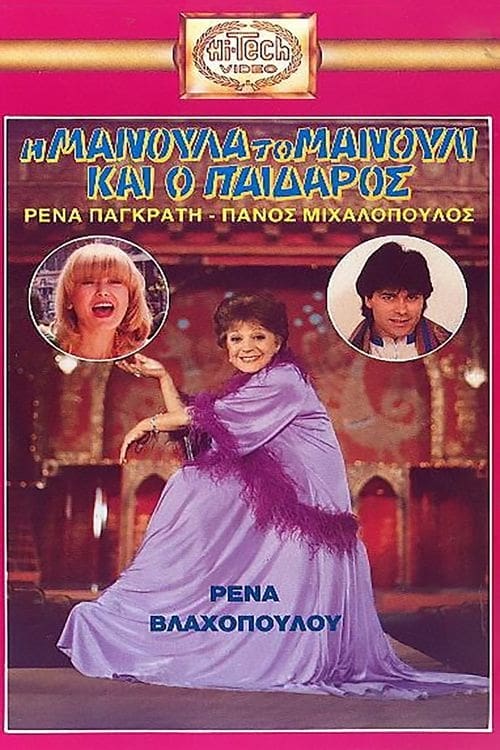
The Mommy, the Chic and the Hunk
1982
No user ratings available yet
Representation score: 2.5 out of 10

Representation Score
Minimal
1973
Director
Kostas Karagiannis
Runtime
88 minutes
Average Rating
No ratings yetNew Showbiz Analysis
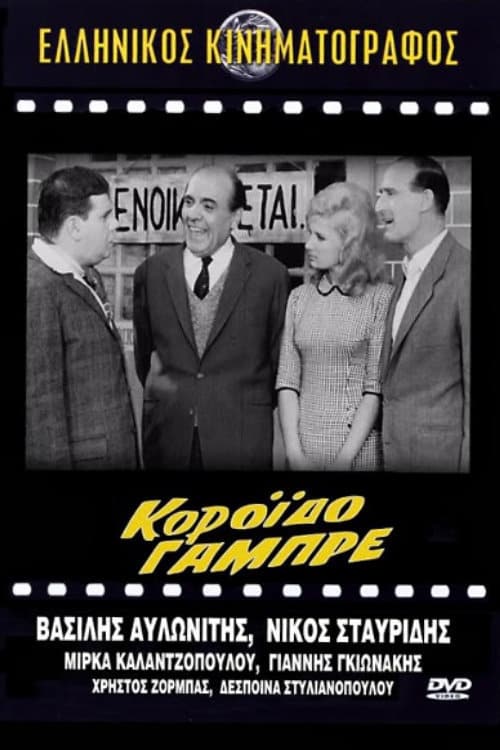
A Leopard Never Changes Its Spots is a conventional 1970s romantic comedy that adheres strictly to the genre clichés of its era. The narrative is built upon established social hierarchies, focusing on a protagonist's struggle to navigate familial obstacles to secure a marriage. The film prioritizes the reinforcement of traditional social norms rather than challenging them. By centering the plot on patriarchal permission and familial approval, it reflects the conservative social structures of the time without offering a critique of these systems.
Category Breakdown
The film follows a traditional romantic structure centered on Antonis and Roula. There are no non-traditional gender identities or narratives that challenge traditional romantic frameworks.
The plot suggests a traditional hierarchy where women's roles are influenced by male relatives. Power dynamics center on male negotiation and patriarchal permission to validate the marriage.
As a Greek production, the film likely features a homogeneous cast. There is no indication of multicultural casting or diverse racial representation within the narrative.
The story reinforces traditional Mediterranean values regarding family cohesion and social institutions. The conflict focuses on securing familial blessings and maintaining social order.
There is no information available regarding the inclusion of characters with physical or neurodivergent disabilities.
Present on Screen
Limited or Absent
Official Synopsis
Antonis, who is in love with Roula, must find a way to convince her brother to allow him to marry her.
1982

1978

1966
1969
1962
1967

1968
1962
No reviews yet. Be the first to share your thoughts on this movie!
Use the rating form above to leave a star rating and optional review.