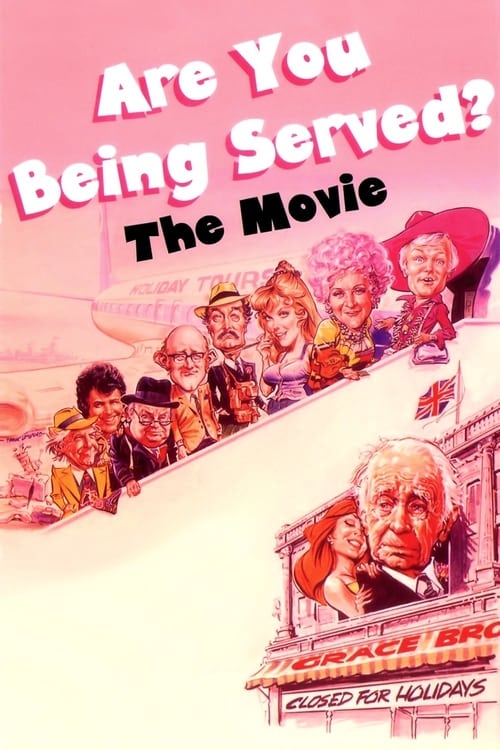
Are You Being Served?
1977
No user ratings available yet
Diversity score: 3.1 out of 10
1970
Director
Bob Kellett
Runtime
49 minutes
Average Rating
No ratings yetSynopsis
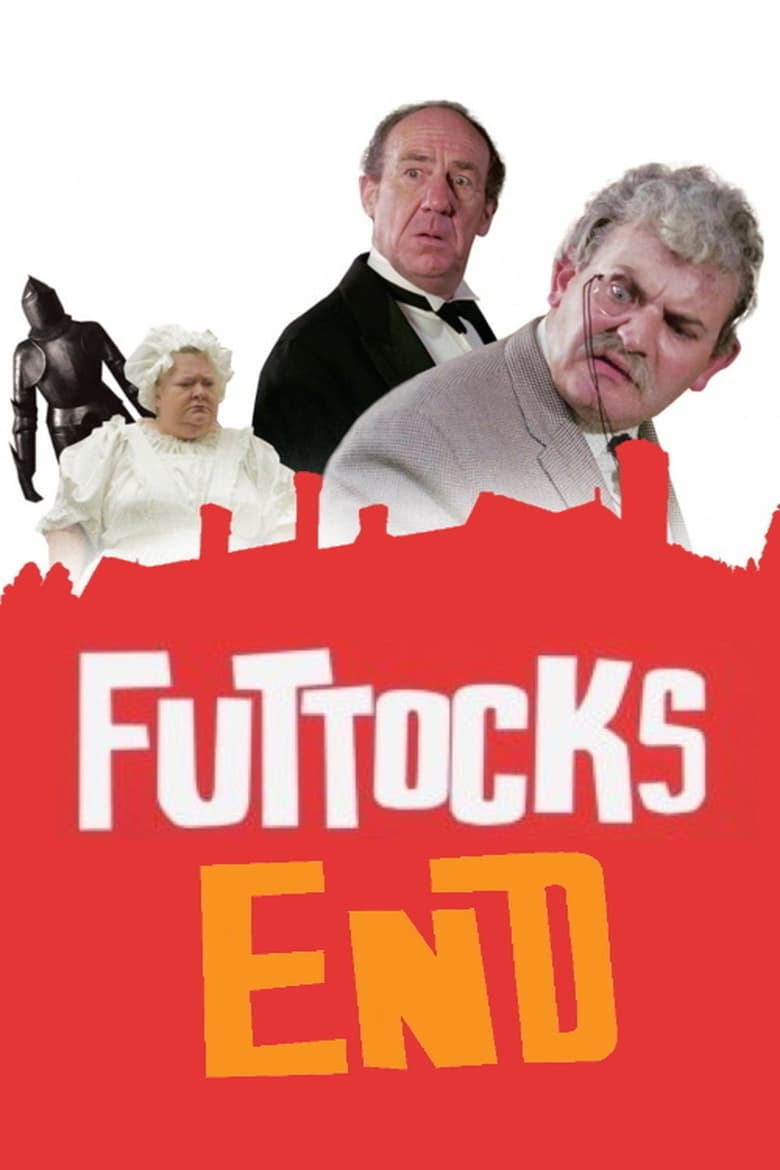
Entirely silent, with a musical score, sound effects and incoherent mutterings, the story revolves around a weekend gathering at the decaying country home of the eccentric and lewd General Futtock (Ronnie Barker) and the series of saucy mishaps between the staff (Michael Hordern plays the lecherous butler) and his guests.
Overall Score
Limited
Category Breakdown
LGBTQ+ Representation
The film focuses on saucy mishaps and lecherous behavior. There is no explicit evidence of non-cisnormative identities or narratives that critique heteronormativity.
Gender Representation
The narrative relies on traditional comedic archetypes common to 1970s British farce. There is insufficient evidence of women holding positions of intellectual or structural authority.
Racial & Ethnic Diversity
The setting and genre suggest a highly homogeneous cast. The film aligns with the Anglo-centric depictions of British social classes typical of the era.
Religious & Cultural Diversity
The story satirizes the decay of the landed gentry and rigid class hierarchies. It disrupts idealized images of the aristocracy through situational chaos.
Disability Representation
No visible or invisible disabilities are central to the character arcs or plot progression.
Strengths
Areas for Improvement
AI Analysis
Futtocks End is a period comedy that functions primarily as a satire of social etiquette and class decorum. While it deconstructs the dignity of the British aristocracy through slapstick, it remains rooted in the traditional tropes of its era. The film lacks intersectional complexity, focusing instead on the lewd behavior of its central characters. The humor stems from situational absurdity rather than a systemic critique of social structures. Ultimately, the work reflects a homogeneous, Anglo-centric worldview. It prioritizes the comedic subversion of class-based archetypes over diverse or progressive representation.
1977

1972
1976
1972
1957
1961

1976

1990

1968
1979
1974

1977
No reviews yet. Be the first to share your thoughts on this movie!
Use the rating form above to leave a star rating and optional review.