Ach Egon!
1961
No user ratings available yet
Representation score: 3.2 out of 10
Representation Score
Limited
1961
Director
Rolf Olsen
Runtime
100 minutes
Average Rating
No ratings yetNew Showbiz Analysis
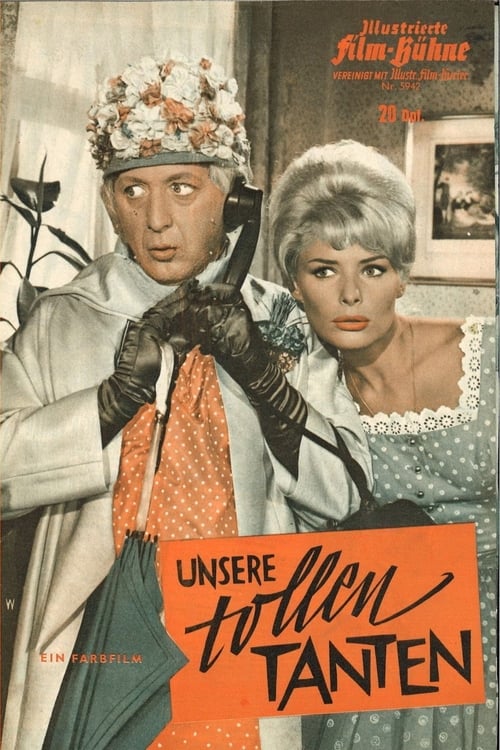
Unsere tollen Tanten is a product of its time, using gender-bending primarily for comedic effect. While the main idea of musicians dressed as 'aunts' disrupts visual gender norms, the film does not engage deeply with queer identity or power structures. The production reflects the homogeneity of 1960s West German commercial cinema. The absence of racial or ethnic diversity and the use of traditional comedic formulas suggest a film designed for escapism rather than social commentary. Ultimately, the film operates as a classic comedy of errors. It offers lighthearted disruption through situational irony without challenging the underlying social hierarchies of the era.
Category Breakdown
Drag is used for humor rather than exploring queer identity. Gender non-conformity is employed to create situational comedy.
Men playing feminine roles challenge traditional gender norms, but this is done through comedy rather than empowerment. Female characters are not given much ability to act or empowerment.
The cast seems uniform, reflecting the typical standards of 1960s West German cinema. There is no indication of non-white actors.
The story emphasizes the conflict between personal freedom and traditional institutions. It prioritizes light-hearted entertainment over criticism of Western social structures.
There are no characters with visible or invisible disabilities in the film.
Present on Screen
Limited or Absent
Official Synopsis
With rumbling stomachs and no engagement, musicians Pit, Max, Bill, Gus, Eddi, and Giorgio are on their way to visit their Uncle Hermann, who runs a sports school on Lake Wörthersee. Along the way, they meet the charming teenagers Susi, Evi, Sieglinde, Inez, and Francis, who are on their way to a girls' boarding school. A strict boarding school where male visits are, of course, frowned upon. So the musicians dress up in drag and visit their friends disguised as 'aunts and cousins.' And, as expected, things soon go haywire.
1961
1964
1967
1964
1964

1966
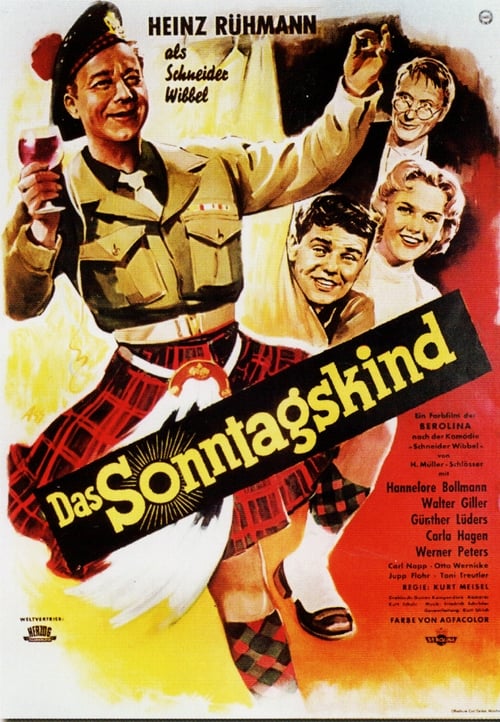
1956
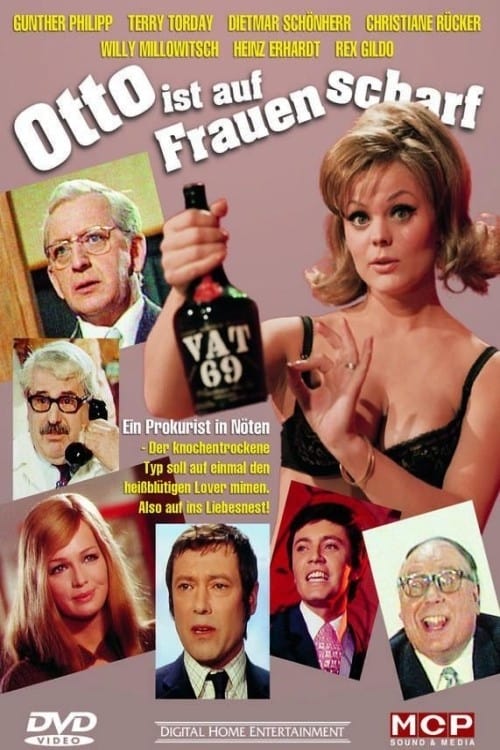
1968
No reviews yet. Be the first to share your thoughts on this movie!
Use the rating form above to leave a star rating and optional review.