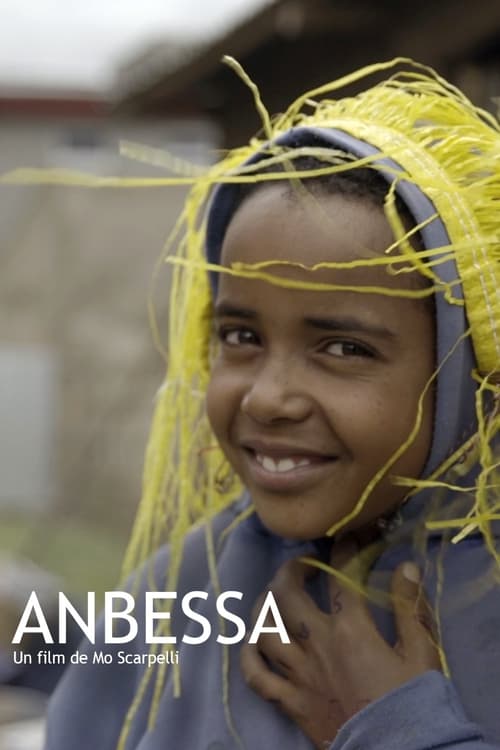
Anbessa
2019
No user ratings available yet
Diversity score: 7.2 out of 10

2018
Director
Arun Bhattarai, Dorottya Zurbo
Runtime
75 minutes
Average Rating
No ratings yetSynopsis
Brother and sister Gyembo and Tashi are normal teenagers. They love soccer and their phones. In their Himalayan village, their father oversees a Buddhist temple that has been in the family for generations. He hopes his son will one day take over his duties. He would prefer that Gyembo leave his modern English-language school in favor of a monk school. In this thoughtful and tender portrait of a Bhutanese family, the generation gap is as large as their love for one another. Celibacy doesn't offer an enticing future to an adolescent boy, which Gyembo's father understands. Nonetheless, he still tries to convince his son that being a monk offers many advantages. Meanwhile, Tashi feels more like a boy than a girl, and dreams of a life as a pro soccer player. She wants to attend a soccer camp that would be the first step in being selected for the national team. Unfortunately, though happiness is high on the political agenda in Bhutan, not all wishes come true.
Overall Score
Good
Category Breakdown
LGBTQ+ Representation
Tashi expresses a gender identity that diverges from traditional feminine expectations. While the film avoids modern Western labels, it provides meaningful subtextual representation of non-cisnormative identity.
Gender Representation
The film subverts patriarchal structures by centering Tashi's ambitions to become a professional soccer player. This creates a sophisticated critique of traditional gendered social conditioning.
Racial & Ethnic Diversity
The narrative centers a Bhutanese family and their specific Himalayan landscape. It avoids the outsider gaze by utilizing a local cast and characters of color with high agency.
Religious & Cultural Diversity
The story explores the friction between religious lineage and modern secular education. It presents a complex view of Buddhist traditions through the lens of generational tension.
Disability Representation
There are no documented depictions of physical or neurodivergent disabilities in the film.
Strengths
Areas for Improvement
AI Analysis
The film excels at providing an authentic, non-Western perspective that avoids Eurocentric cinematic norms. By centering a Bhutanese family, it offers a high degree of racial and ethnic agency that resists common tropes of marginalized subjects. While the film provides nuanced subtext regarding gender identity and the subversion of traditional roles, it lacks explicit LGBTQ+ community narratives. This limits the depth of its queer representation despite the meaningful character work. Ultimately, the work succeeds as an intersectional portrait of the tension between spiritual heritage and individual autonomy in a modernizing world.
2019
2016
2013

2004
2017
2015
2016
2014
No reviews yet. Be the first to share your thoughts on this movie!
Use the rating form above to leave a star rating and optional review.