
Casa Coraggio
2017
No user ratings available yet
Representation score: 6.0 out of 10
Representation Score
Limited
2016
Director
Masaru Oura
Runtime
114 minutes
Average Rating
No ratings yetNew Showbiz Analysis
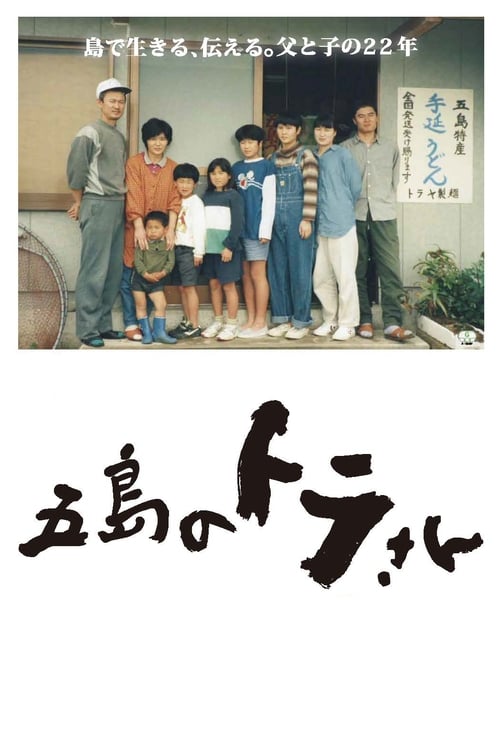
Tora-san of Goto is a longitudinal study of a family's life over 22 years. It excels at capturing the organic growth of a household and the dignity of local craftsmanship in the Goto Islands. However, the film adheres strictly to conventional social hierarchies. The narrative follows milestones typical of traditional family structures and a patriarchal setup, offering little representation outside of these roles. Ultimately, the work prioritizes ethnographic authenticity and the preservation of local traditions over the inclusion of diverse identities or the subversion of established social norms.
Category Breakdown
The film focuses on a traditional family unit centered around marriage and childbirth. There is no evidence of queer narratives or non-traditional gender identities within the Inuzuka family's trajectory.
The narrative centers on the patriarchal figure, Toru Inuzuka. While children participate in the business, the depiction of marriage and household continuity aligns with traditional domestic structures.
The subjects are ethnically homogeneous, reflecting the demographic reality of the Goto Islands. The film provides deep cultural specificity but does not blend different ethnic backgrounds.
The documentary celebrates regional identity, manual labor, and the preservation of local industry. It functions as a tribute to traditional social structures and family lineage.
There is no evidence regarding the portrayal of physical or neurodivergent disabilities in the film.
Present on Screen
Limited or Absent
Official Synopsis
This documentary film follows for 22 years a nine-member family involved in the manufacturing of Udon in the Goto Islands, Nagasaki prefecture. Mr. Toru Inuzuka called by nickname "Tora-san" is making famous 'Goto Udon' and natural salt on the island on which the depopulation is progressing. Seven children get up at 5 o'clock every morning, helping to make udon, and go to school. Children's help is recorded on the time card, and it is pocket money for children. The film talks about children's growth, marriage, childbirth, homecoming, and parting. The 22 years of familiarity of the family is drawn.
2017

1960
2014

2010
2023

2015

2026

2011
No reviews yet. Be the first to share your thoughts on this movie!
Use the rating form above to leave a star rating and optional review.