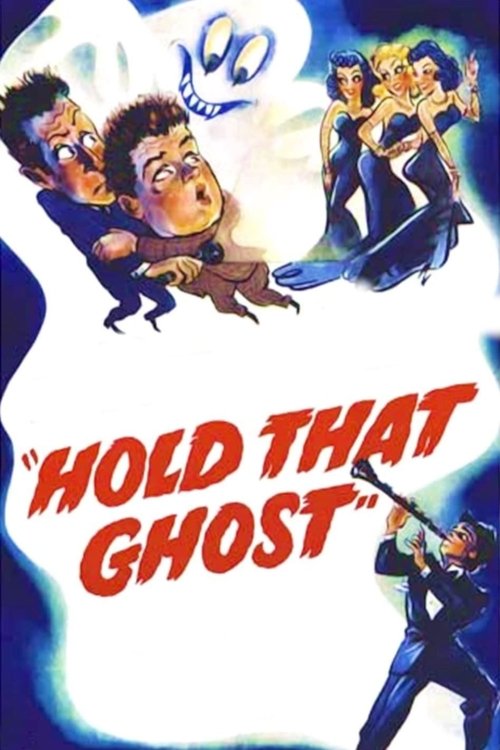
Hold That Ghost
1941
No user ratings available yet
Representation score: 2.0 out of 10
Representation Score
Limited
1941
ApprovedDirector
Phil Rosen
Runtime
65 minutes
Average Rating
No ratings yetNew Showbiz Analysis
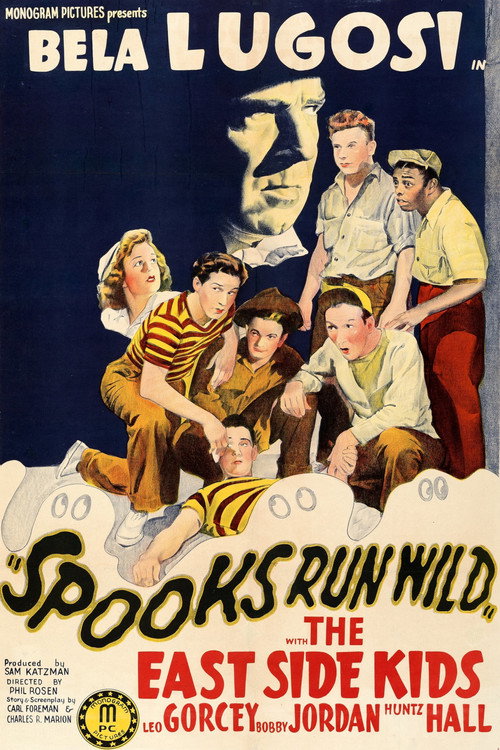
Spooks Run Wild is a product of its time, prioritizing genre-driven comedy-horror entertainment over social complexity. The film adheres to the standard B-movie production cycles of 1941, focusing on efficient storytelling within established genre conventions. The narrative structure reinforces the assumption that everyone is straight and the dominance of Western culture. It lacks the intentional subversion of power dynamics or the exploration of multiple aspects of identity found in modern works. Ultimately, the film serves as a snapshot of traditionalist cinematic standards, where character archetypes are defined by period-specific clichés rather than diverse lived experiences.
Category Breakdown
The film does not include any explicit mentions of LGBTQ+ identities. Due to the film's production in 1941, strict censorship standards likely prevented the depiction of non-straight relationships.
The narrative centers on juvenile delinquents, likely adhering to traditional 1940s gender roles. Female characters are portrayed as either vulnerable or domestic.
The film reflects the homogeneous casting norms typical of the early 1940s. There is no indication of diverse casting or non-white majority representation.
The story relies on traditional Western folklore and horror clichés. It reinforces established social institutions rather than exploring progressive or anti-institutional themes.
The film lacks nuanced portrayals of disability. Physical or mental differences were often used as clichés to elicit fear or mockery in this era and genre.
Present on Screen
Limited or Absent
Official Synopsis
A group of delinquents on their way to summer camp get stuck in a haunted house.
1941
1966

1946
1948
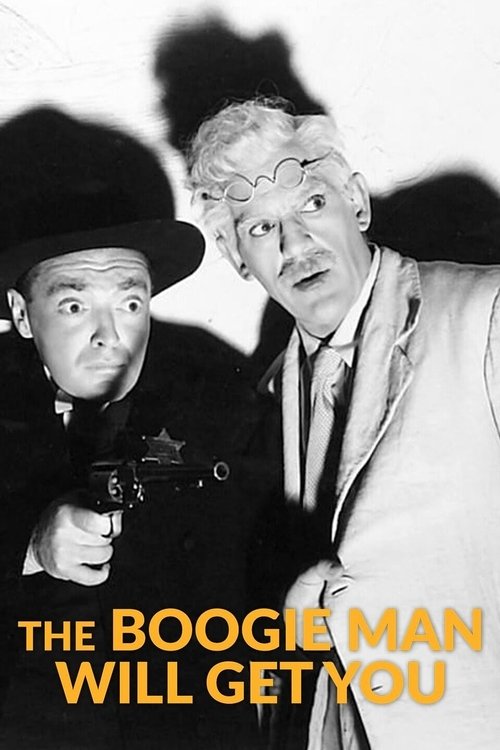
1942
1941
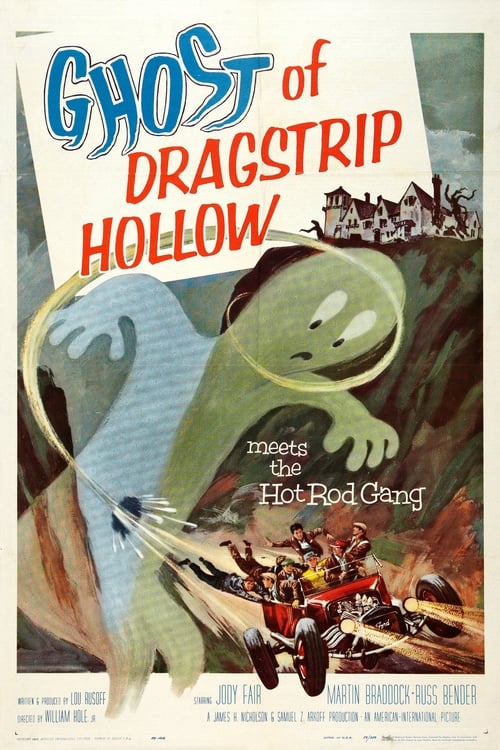
1959
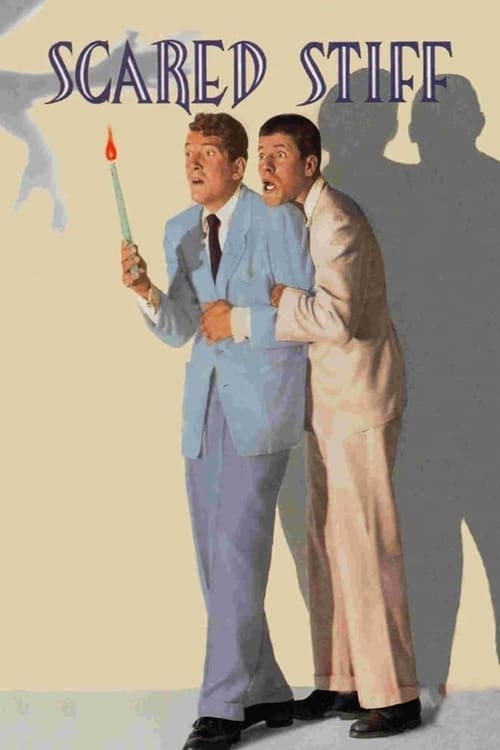
1953
No reviews yet. Be the first to share your thoughts on this movie!
Use the rating form above to leave a star rating and optional review.