
Genius
2016
No user ratings available yet
Representation score: 0.9 out of 10
Representation Score
Limited
2008
PG-13Director
Richard Linklater
Runtime
114 minutes
Average Rating
No ratings yetNew Showbiz Analysis
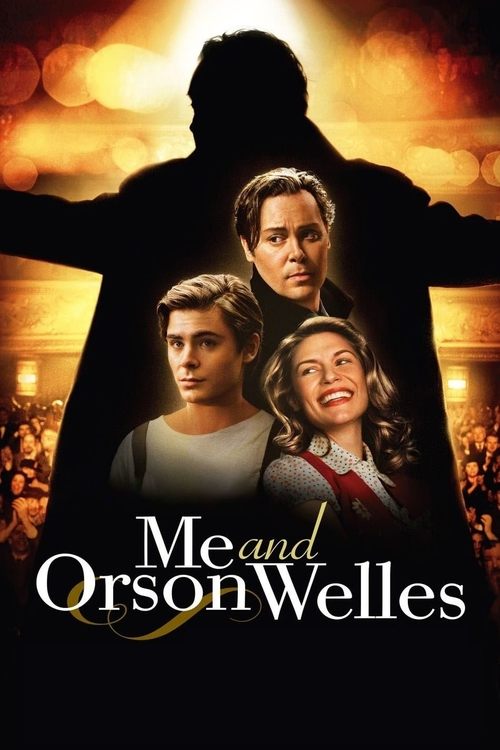
Me and Orson Welles is a detailed study of artistic mentorship and the legacy of Orson Welles. It uses a postmodern, conversational style to connect archival footage with personal memories, challenging the 'Great Man' mythos. However, this focus on intellectual pursuits comes at the cost of broader social diversity. The film remains confined to a specific mid-century professional context, lacking diverse representation. It prioritizes the individualistic pursuit of art over exploring broader social hierarchies. Ultimately, it is a focused biographical study that does not address underrepresented identities or social inequalities.
Category Breakdown
The film focuses on the professional and intellectual relationship between the filmmaker and his subject, without addressing LGBTQ+ identities or non-cisgender narratives.
The story centers on a male-dominated history of mid-century filmmaking, overlooking the gendered power dynamics of the 1930s studio era.
It portrays a largely homogeneous social and professional environment from the 1930s, without highlighting or disrupting the racial inequities of that time.
The film emphasizes a secular, intellectual perspective centered on art and philosophy, celebrating individualistic expression without ideological critique.
There is no significant focus on neurodivergence, physical disability, or mental health. Subjects are presented through the lens of their professional and intellectual contributions.
Present on Screen
Limited or Absent
Official Synopsis
New York, 1937. A teenager hired to star in Orson Welles' production of Julius Caesar becomes attracted to a career-driven production assistant.
2016

1937
2005
1939

2017
1999

2020
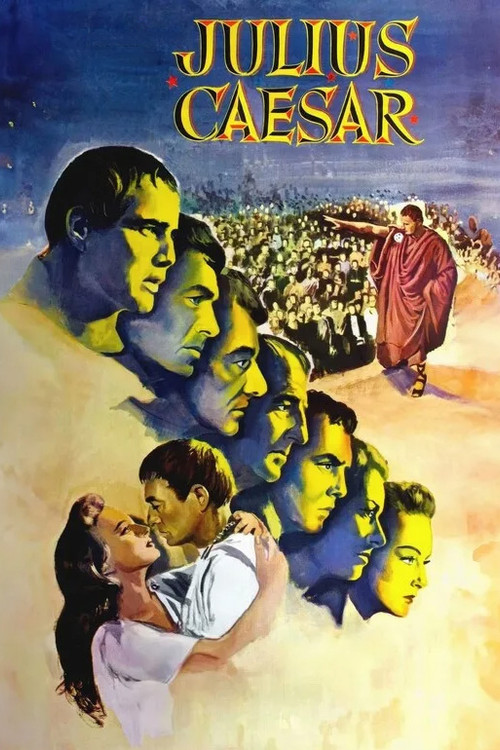
1953
No reviews yet. Be the first to share your thoughts on this movie!
Use the rating form above to leave a star rating and optional review.