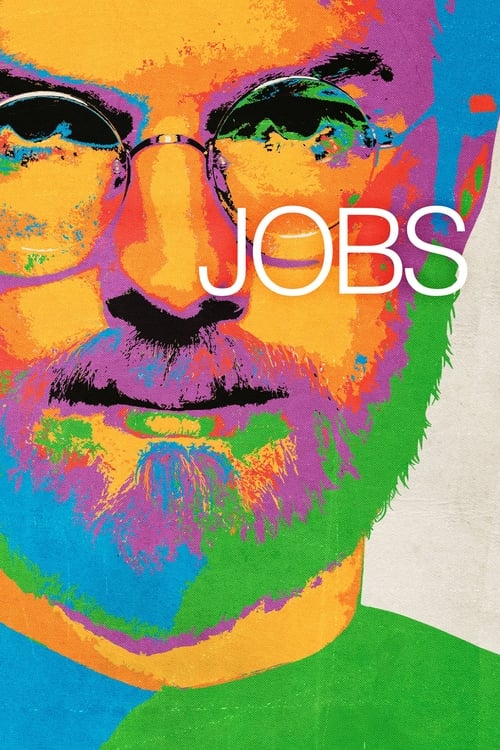
Jobs
2013
No user ratings available yet
Representation score: 0.3 out of 10

Representation Score
Limited
2015
RDirector
Danny Boyle
Runtime
123 minutes
Average Rating
No ratings yetNew Showbiz Analysis
Steve Jobs is a character study that emphasizes psychological complexity over demographic diversity. While it successfully challenges Western archetypes and the 'Great Man' myth, it remains confined to the socioeconomic context of the time. The film's strength lies in its nuanced critique of capitalism and heroism, but this comes at the cost of traditional representation. The result is a narrow social landscape. Ultimately, the film provides a sophisticated critique of capitalism and heroism but falls short in offering meaningful visibility for women, diverse ethnicities, and LGBTQ+ identities.
Category Breakdown
The film assumes everyone is straight or cisgender, lacking explicit depictions of same-sex relationships or non-binary gender identities.
Female characters are primarily defined by their relationship to the main character. The film fails the Bechdel test, as women rarely interact with each other.
The narrative centers on a predominantly white, male-dominated environment. There is a noticeable lack of diverse ethnic representation among key decision-makers.
The film effectively challenges the 'Great Man' myth through a postmodern perspective. It critiques consumerist capitalism and traditional family structures.
The film does not focus on visible or invisible disabilities. Disability is not used as a central plot device.
Present on Screen
Limited or Absent
Official Synopsis
Set backstage at three iconic product launches and ending in 1998 with the unveiling of the iMac, Steve Jobs takes us behind the scenes of the digital revolution to paint an intimate portrait of the brilliant man at its epicenter.
2013
1997

2016

2017
2020

2015

2023

1999
No reviews yet. Be the first to share your thoughts on this movie!
Use the rating form above to leave a star rating and optional review.