Spotlight
2015
No user ratings available yet
Representation score: 6.3 out of 10
Representation Score
Fair
2003
PG-13Director
Billy Ray
Runtime
94 minutes
Average Rating
No ratings yetNew Showbiz Analysis
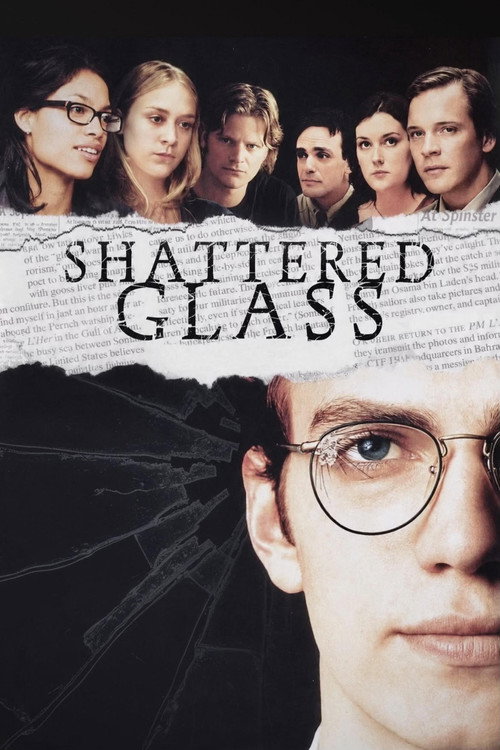
Shattered Glass is a character-driven historical drama that focuses on a specific demographic profile from the 1990s. It primarily explores the psychological and professional journey of a single male figure within a specific time period. The film excels in its cultural critique of journalistic institutions and the corruption of truth. However, it remains demographically uniform, reflecting the homogeneous environments of the early 1990s media landscape without attempting to challenge these norms.
Category Breakdown
The film does not include any LGBTQ+ characters or explore non-straight relationships. The interpersonal dynamics focus on traditional relationships.
The story revolves around a male protagonist's career rise and fall. It examines a male-dominated journalistic world but does not give much attention to female characters or their roles.
The film portrays a predominantly white environment within the journalism industry of 1990s Washington D.C. It does not introduce diverse perspectives to challenge these demographic norms.
The film provides a sophisticated look at media capitalism and sensationalism. It delves into how truth is constructed through narrative spectacle rather than objective reality.
The film does not focus on physical, neurodivergent, or mental health disabilities. The protagonist's motivations are explored through actions rather than a disability lens.
Present on Screen
Limited or Absent
Official Synopsis
Stephen Glass is a staff writer for the respected current events and policy magazine The New Republic and a freelance feature writer for publications such as Rolling Stone, Harper's and George. By the mid-90s, Glass' articles had turned him into one of the most sought-after young journalists in Washington, but a bizarre chain of events - chronicled in Buzz Bissinger's September 1998 Vanity Fair article - suddenly stopped his career in its tracks.
2015
1999
2005
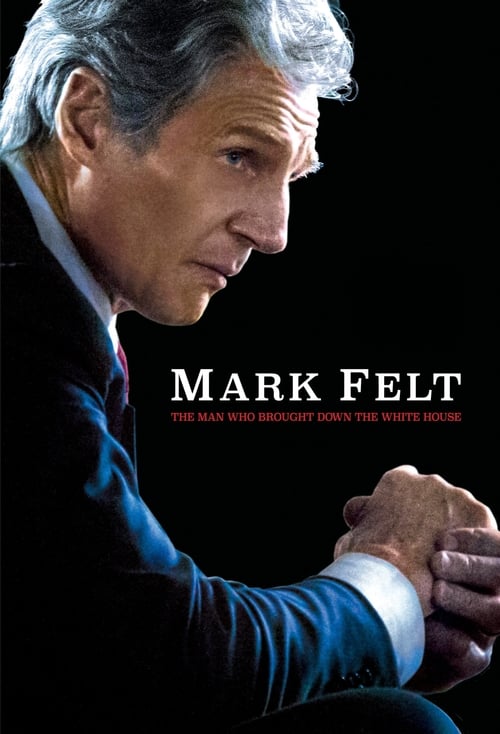
2017
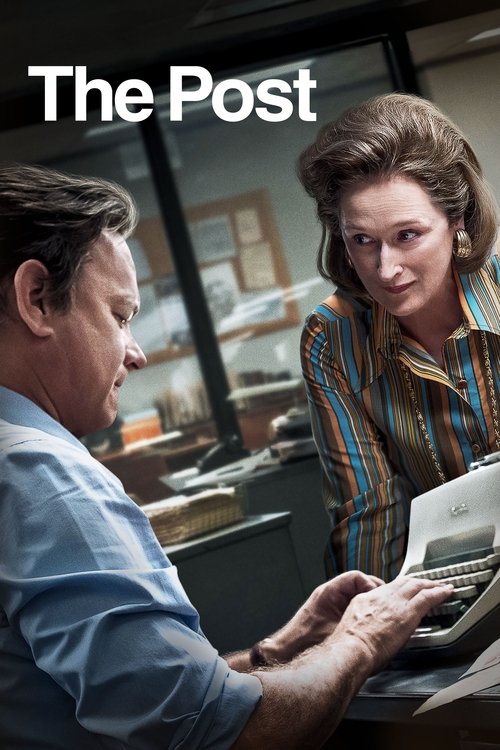
2017

1995
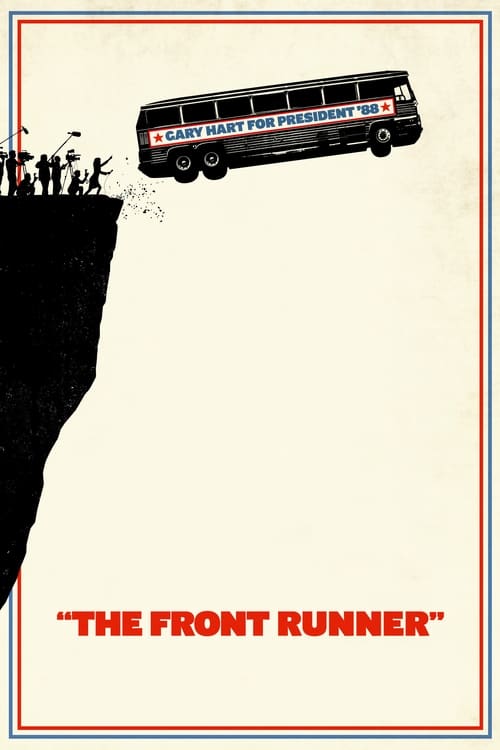
2018
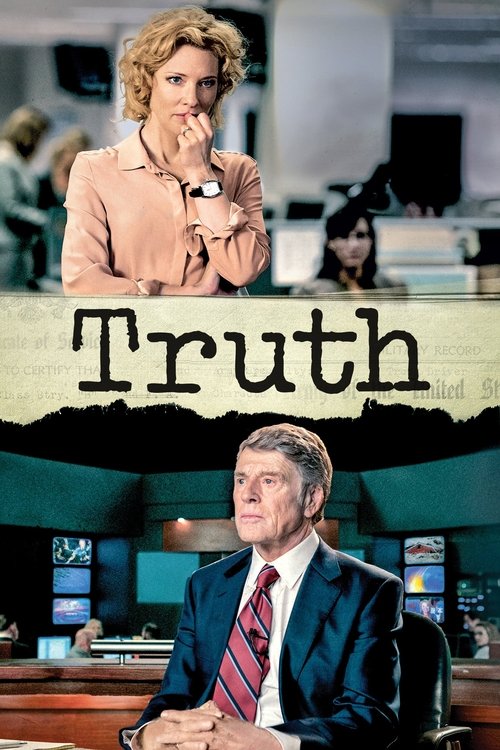
2015
No reviews yet. Be the first to share your thoughts on this movie!
Use the rating form above to leave a star rating and optional review.