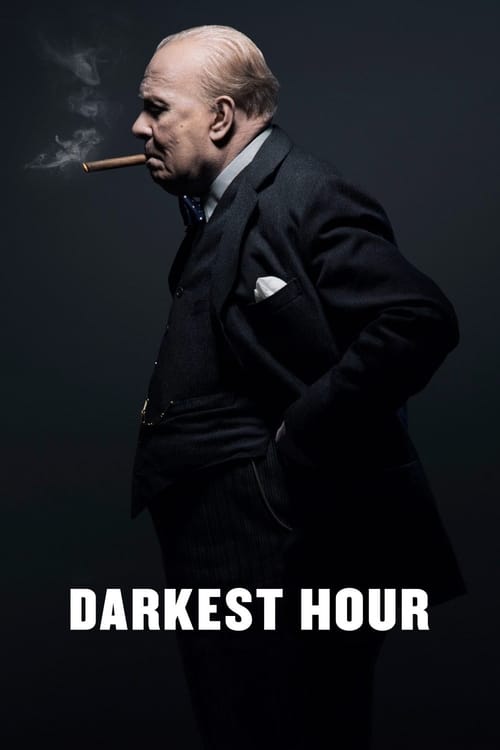
Darkest Hour
2017
No user ratings available yet
Representation score: 0.5 out of 10
Representation Score
Minimal
2021
PG-13Director
Christian Schwochow
Runtime
130 minutes
Average Rating
No ratings yetNew Showbiz Analysis
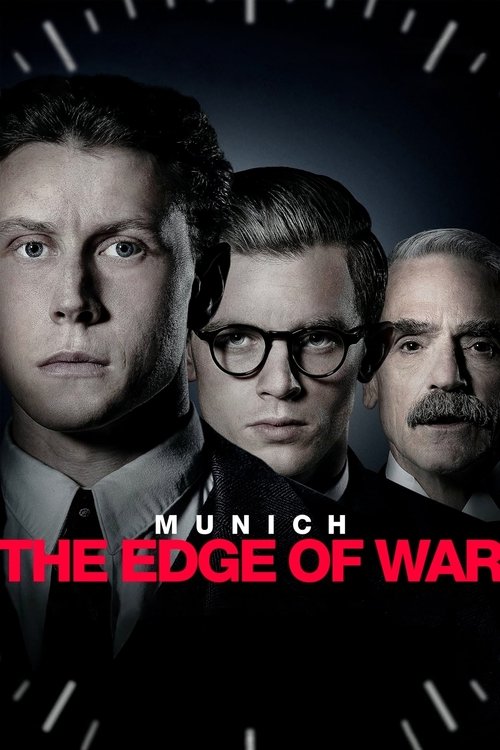
Munich – The Edge of War functions as a traditional historical drama that prioritizes period authenticity over social subversion. The film adheres to the demographic constraints of the 1930s European political elite, resulting in a narrative that feels ethnically and socially homogeneous. Power and decision-making are concentrated in a patriarchal hierarchy, leaving little room for diverse perspectives or multi-layered complexity. While the film accurately captures the era's exclusivity, it does not attempt to challenge or deconstruct these established social hierarchies.
Category Breakdown
The film maintains a strictly heterosexual and cisgender framework. There is no presence of non-binary or same-sex relationships within the character arcs.
Men play leading roles through intelligence and diplomacy. Women are relegated to secondary, domestic, or social roles.
The cast reflects a homogeneous, Anglo-centric diplomatic circle. It lacks diversity in race or ethnicity, focusing on European political elites.
The narrative emphasizes institutional authority and state responsibility. It explores the consequences of diplomatic failure rather than critiquing Western institutions.
No characters are defined by physical or neurodivergent impairments. There is no visible portrayal of disability within the story.
Present on Screen
Limited or Absent
Official Synopsis
At the tense 1938 Munich Conference, former friends who now work for opposing governments become reluctant spies racing to expose a Nazi secret.
2017
1959
2017
2020
2022
1975
2020
2018
No reviews yet. Be the first to share your thoughts on this movie!
Use the rating form above to leave a star rating and optional review.