It's Alive: The True Story of Frankenstein
1994
No user ratings available yet
Representation score: 6.3 out of 10
Representation Score
Limited
2014
Not RatedDirector
Philip Smith
Runtime
53 minutes
Average Rating
No ratings yetNew Showbiz Analysis
This drama-documentary reconstructs the 1816 Geneva gathering that gave rise to Gothic literature. By focusing on a specific 19th-century European context, the representation is inherently tied to the social hierarchies of that era. The film emphasizes intellectual and literary history over contemporary storytelling that reflects multiple aspects of identity. While it highlights key figures like Mary Shelley, the focus remains on the creative output of a specific Western demographic rather than modern social issues. Ultimately, the work serves as a traditional retrospective. It lacks significant engagement with racial, gender, or LGBTQ+ diversity, reflecting the limitations of a period-specific historical lens.
Category Breakdown
The film does not show explicit representations of LGBTQ+ identities. It focuses on the historical context of the 1816 Geneva gathering, which does not include visible contemporary queer characters.
The story centers on the creative figures of the Romantic era, such as Mary Shelley. However, it does not challenge traditional gender roles or portray masculinity in non-traditional ways.
The narrative focuses on a homogeneous Western European demographic centered around the 1816 Geneva gathering. There is no evidence of diverse casting or perspectives outside of the Anglo-Saxon tradition.
The film explores the deconstruction of Romantic-era ideals and Enlightenment values. It does not have a strong focus on anti-capitalist or overtly secularist themes as central plot drivers.
There is no mention of characters or historical figures portrayed with visible or invisible disabilities within the narrative.
Present on Screen
Limited or Absent
Official Synopsis
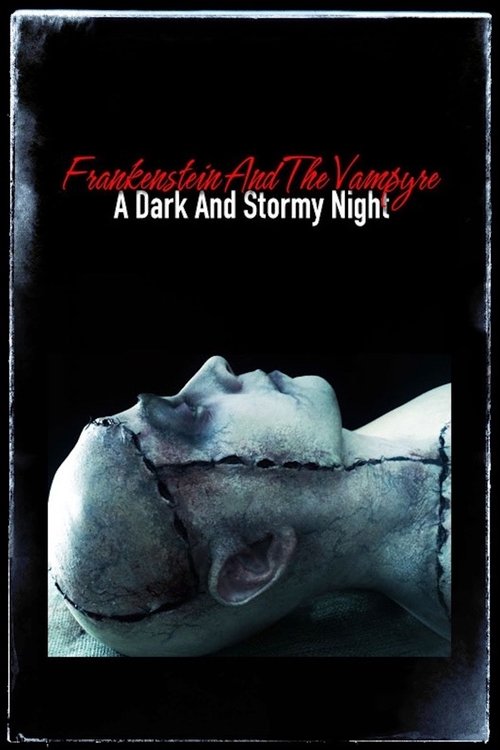
A drama-documentary telling the story of the celebrated gathering in Geneva, 1816 which led to the creation of both Frankenstein and the first modern vampire story.
1994
2014

1999
2017
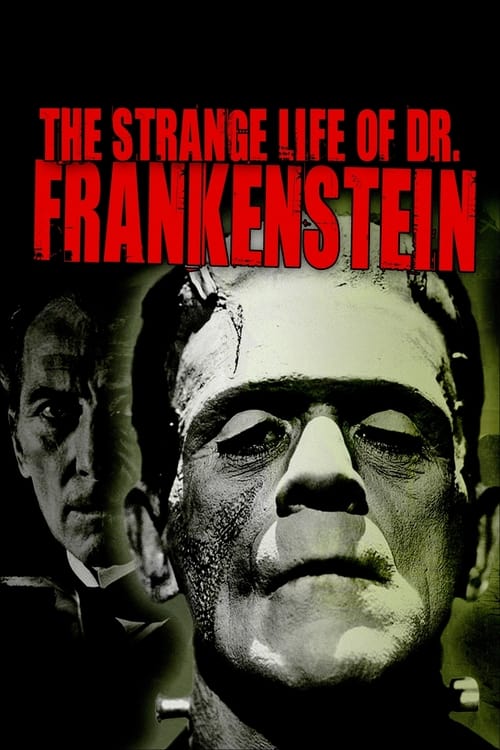
2018
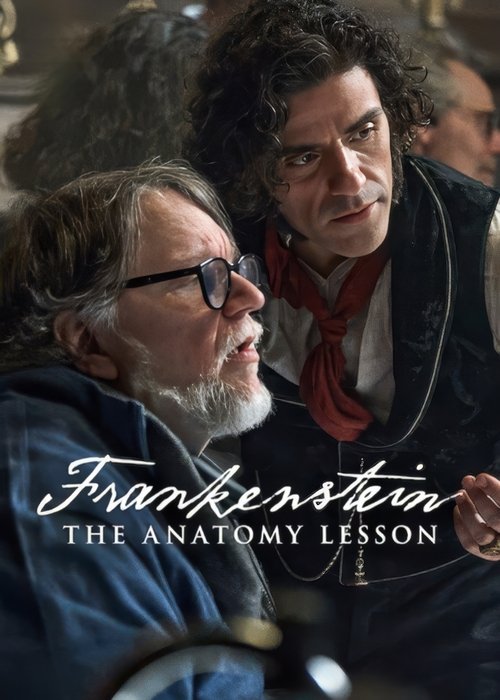
2025
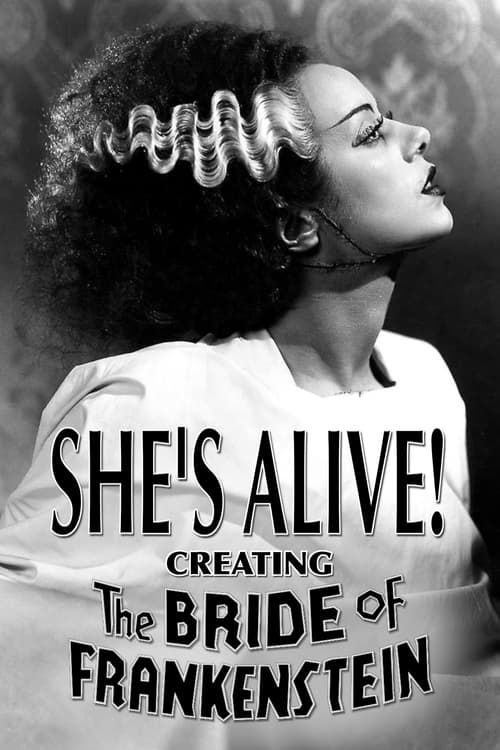
1999
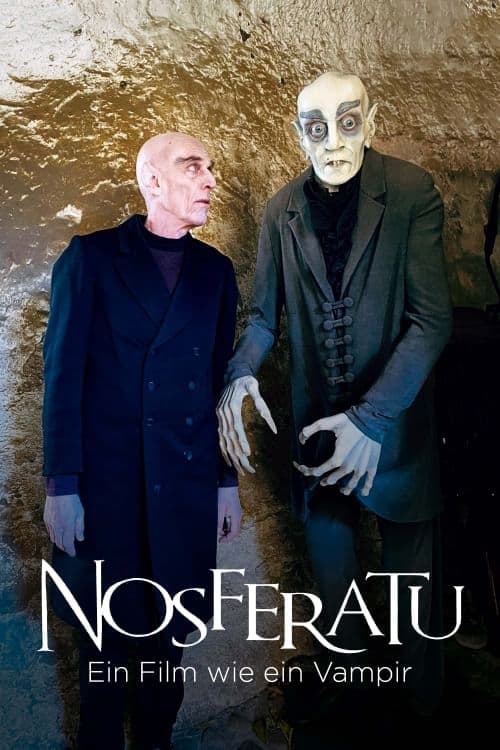
2022
No reviews yet. Be the first to share your thoughts on this movie!
Use the rating form above to leave a star rating and optional review.