
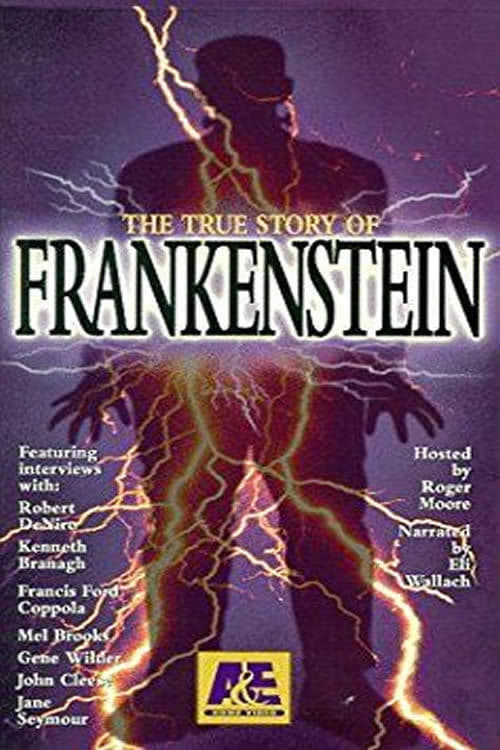
The 'Frankenstein' Files: How Hollywood Made a Monster
1999
No user ratings available yet
Representation score: 6.5 out of 10
Representation Score
Good
1994
Director
Richard Brown
Runtime
97 minutes
Average Rating
No ratings yetNew Showbiz Analysis
This documentary serves as a historical survey of a classic Western literary and cinematic cliché. It emphasizes film historiography and the preservation of the existing cinematic canon over disrupting social hierarchies. While interviews allow for various professional voices, the content remains tied to the historical limitations of the films analyzed. The focus is on the evolution of a specific mythos rather than contemporary social advocacy. Ultimately, the film acts as a scholarly retrospective. It engages with themes of the 'other' through the lens of the monster but lacks a modern focus on neurodivergence or specific identity politics.
Category Breakdown
The documentary looks at the evolution of the Frankenstein myth through various film adaptations but doesn't focus specifically on LGBTQ+ roles or identities.
Interviews feature a variety of professional viewpoints from industry figures. However, the narrative does not explicitly address traditional gender roles or hierarchies.
The film mainly highlights the Western cinematic tradition. Clips from early 20th-century films show the historical and social contexts of those times.
The film explores the monster as a cultural symbol of the 'other.' It focuses on the scholarly appreciation of film history rather than critiquing Western norms.
The Frankenstein myth is a foundational narrative about physical differences. The film provides commentary on these clichés but doesn't give characters with disabilities much ability to act.
Present on Screen
Limited or Absent
Official Synopsis
Mary Shelley created a monster in 1818, and writers, actors and filmmakers haven't been able to get enough of it ever since. The history of the creature on and off the screen includes clips from Thomas Edison's 1910 filmization to Kenneth Branagh's 1994 treatment, plus interviews with Robert De Niro, Mel Brooks, Roger Corman and others. Hosted by Roger Moore; narrated by Eli Wallach.
1999
2014
2015
2019
2014
2025
2018
2021
No reviews yet. Be the first to share your thoughts on this movie!
Use the rating form above to leave a star rating and optional review.