
Gang War
1940
No user ratings available yet
Representation score: 3.2 out of 10
Representation Score
Minimal
1941
ApprovedDirector
Elmer Clifton
Runtime
73 minutes
Average Rating
No ratings yetNew Showbiz Analysis
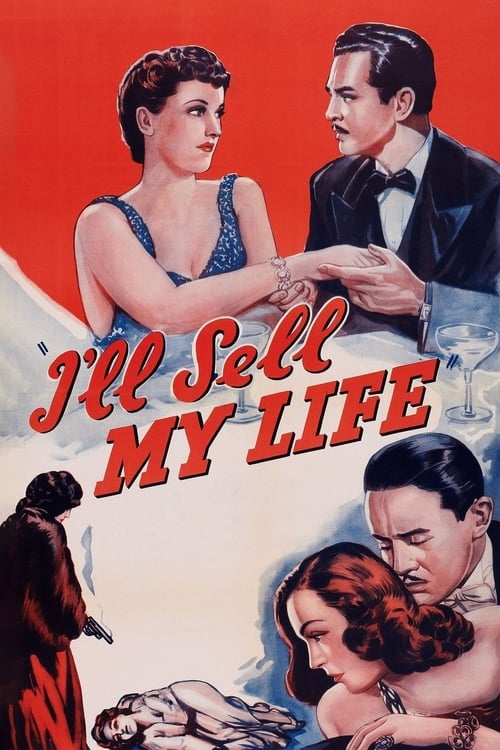
I'll Sell My Life is a standard crime melodrama that adheres to the social and narrative hierarchies of the early 1940s. While it features a female lead and a character with a disability, these elements are used to drive a traditional sacrificial plot rather than to explore complex identities. The film relies on established genre clichés, such as the woman driven to crime by familial duty. This approach prioritizes high-stakes melodrama over any meaningful disruption of social norms or systemic critique. Ultimately, the work functions as a conventional period piece. It lacks the multi-layered depth or diverse perspectives necessary to move beyond the homogeneous casting and storytelling standards of its era.
Category Breakdown
The film does not include any characters with LGBTQ identities. The central conflict revolves around traditional family dynamics.
A female protagonist is featured, but her role is defined by self-sacrifice for a male relative. This reinforces mid-century clichés of feminine martyrdom.
The narrative follows a conventional Western structure typical of 1941 Hollywood. There is no indication of racial blending or non-Anglo-Saxon perspectives.
The story operates within a traditional moral framework focused on personal sacrifice. It lacks any anti-institutional or anti-capitalist sentiment.
A blind brother provides representation of visual impairment. However, the disability serves primarily as a plot catalyst for the protagonist's criminal descent.
Present on Screen
Limited or Absent
Official Synopsis
A woman hoping to raise cash to pay for an operation to restore her blind brother's eyesight finds herself implicated in a nightclub murder.
1940

1941

1952

1938

1944

1968

1937

1940
No reviews yet. Be the first to share your thoughts on this movie!
Use the rating form above to leave a star rating and optional review.