
Dick Tracy Returns
1938
No user ratings available yet
Representation score: 3.0 out of 10
Representation Score
Limited
1940
ApprovedDirector
Leo C. Popkin
Runtime
63 minutes
Average Rating
No ratings yetNew Showbiz Analysis
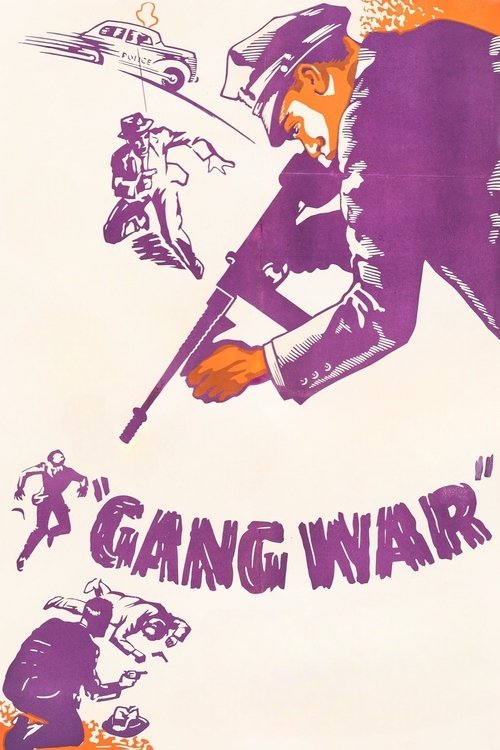
Gang War stands out as a significant departure from 1940s cinematic norms due to its all-Black cast. By placing Black actors in central, action-oriented roles within a crime-action framework, the film challenges the era's typical segregationist casting practices. However, the film's thematic content remains traditional. The plot centers on masculine-coded gang warfare and territorial control, offering limited gender diversity or LGBTQ+ representation. The narrative follows established genre conventions without delving into complex social or cultural critiques. Ultimately, the film's impact is driven by its demographic disruption. While the story itself adheres to standard crime-drama structures, the decision to center Black performers provides significant visibility and empowerment.
Category Breakdown
The film does not include any representation of LGBTQ+ identities or non-assuming gender matches what was assigned at birth gender expressions. It follows traditional 1940s crime stories focused on gang conflicts.
The story emphasizes masculine roles through its focus on gang warfare. Women are featured but play secondary roles compared to the male-dominated conflict.
This production features an all-Black cast, which was unusual for 1940. It places Black actors in central, action-oriented roles, breaking away from typical casting practices of the time.
The story addresses economic struggles through the jukebox racket. However, it stays within conventional crime-drama frameworks without critiquing specific social institutions.
There is no indication of the portrayal of physical or neurodivergent disabilities in the cast or synopsis.
Present on Screen
Limited or Absent
Official Synopsis
Two mobs fight for control of the jukebox racket.
1938

1972
1937

1932
1989
1950
1963
1937
No reviews yet. Be the first to share your thoughts on this movie!
Use the rating form above to leave a star rating and optional review.