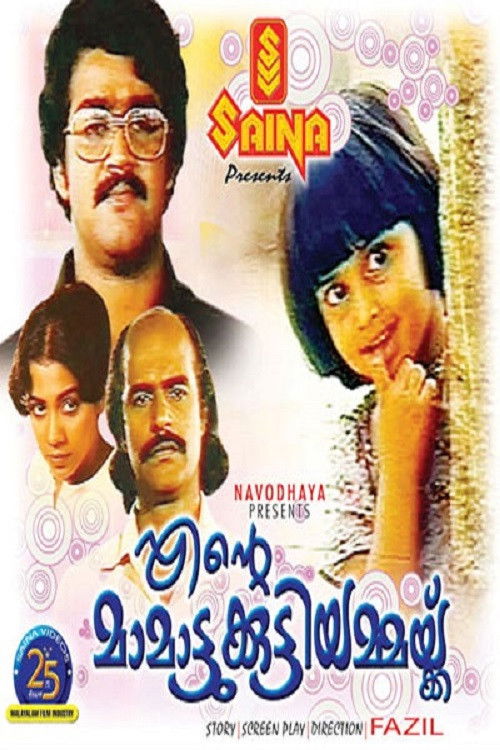
Ente Mamattukkuttiyammakku
1983
No user ratings available yet
Representation score: 2.0 out of 10
Representation Score
Fair
1984
Director
Fazil
Runtime
125 minutes
Average Rating
No ratings yetNew Showbiz Analysis
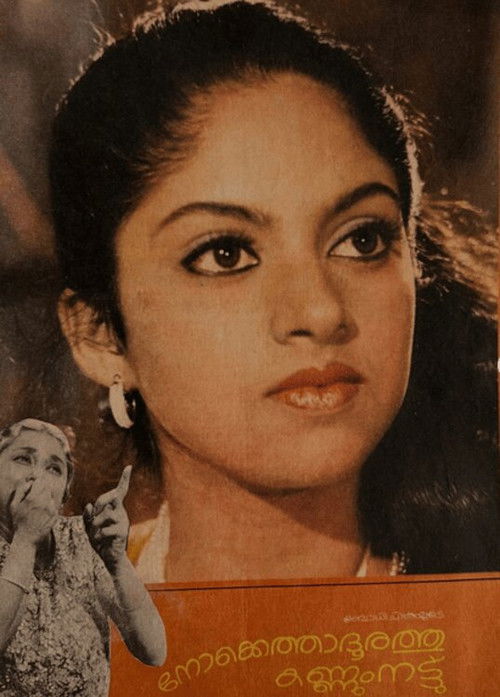
Nokkethadhoorathu Kannum Nattu is a character-driven drama that prioritizes psychological depth over broader social critiques. By focusing on a protagonist defined by depression and social friction, the film avoids the cliché of the perfect matriarch, offering a complex view of womanhood. However, the film remains largely within the traditional social and straight-centered boundaries of its era. It lacks the multi-layered complexity or explicit critique of institutional hierarchies required for a more progressive rating. Ultimately, the film succeeds as a localized, authentic study of human emotion and regional identity, even if it does not challenge broader social structures.
Category Breakdown
The film follows the conventional straight-centered norms of 1980s regional cinema. There are no representations of LGBTQ+ identities or non-straight gender expressions.
The story centers on Kunjoonjamma, a widow whose emotional independence drives the plot. Her journey from grief to connection showcases a nuanced look at female resilience.
The film provides an authentic depiction of Kerala's social fabric. It centers a specific regional identity, moving away from Western-centric storytelling models.
The narrative explores generational friction and rural social dynamics. It offers a realistic view of traditional family life through the protagonist's isolation and interactions.
While no physical disabilities are explicitly featured, the protagonist's profound depression is a central psychological element. It functions as a character arc rather than a plot device.
Present on Screen
Limited or Absent
Official Synopsis
Kunjoonjamma Thomas is a widow living in the village all by herself. People always make fun of her because she is grumpy and depressed due to the deaths of her husband and her only child. Children irritate her by ringing her door bell and running away. One day, her granddaughter Girly, who she had never met, visits her. Initially, Kunjoonjamma does not like Girly, but they soon become close to each other.
1983
1976
1978

1997

1977

2005
1988
1985
No reviews yet. Be the first to share your thoughts on this movie!
Use the rating form above to leave a star rating and optional review.