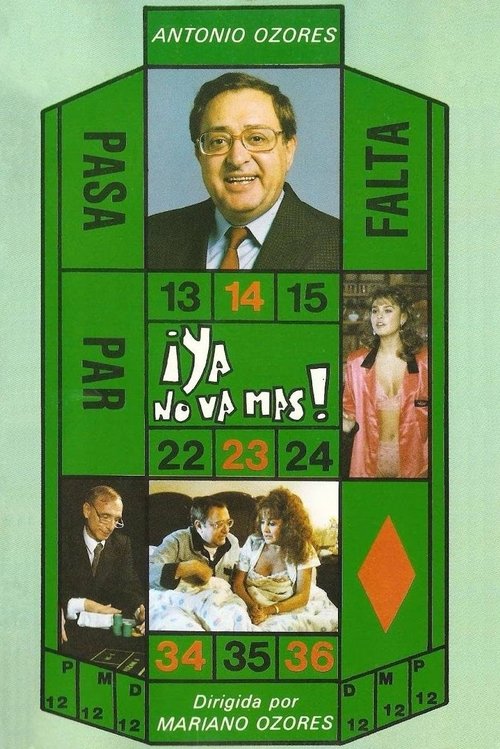
Ya no va más
1988
No user ratings available yet
Representation score: 0.8 out of 10
Representation Score
Limited
1981
Director
Mariano Ozores Puchol
Runtime
91 minutes
Average Rating
No ratings yetNew Showbiz Analysis
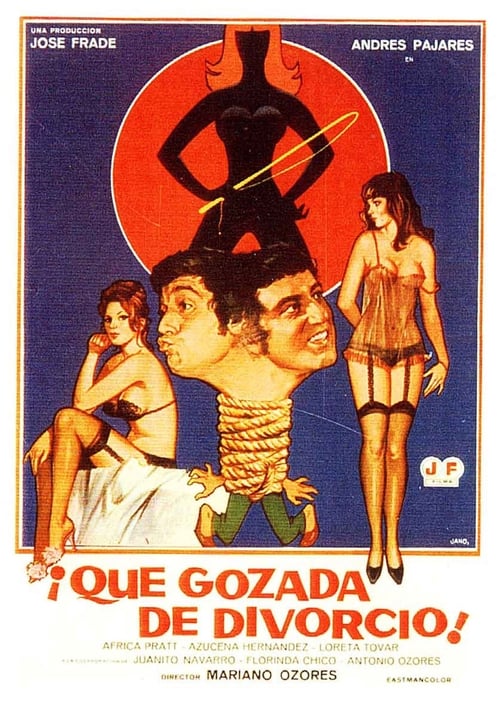
¡Qué gozada de divorcio! is a product of the Spanish commercial comedy landscape during the early Transition era. While the central theme of divorce hints at a departure from rigid religious morality, the film remains anchored in the social conformity of its time. The narrative structure prioritizes traditional genre conventions and domestic clichés over diverse representation. It functions primarily as a situational comedy rather than a tool for social subversion. Ultimately, the film reflects a period of transition that explores changing social institutions without actively disrupting established hierarchies or embracing diverse identities.
Category Breakdown
The film does not include any documented LGBTQ+ characters or narratives. It centers on traditional comedic structures focused on heterosexual relationships.
The story revolves around domestic upheaval through the lens of divorce, relying on gendered archetypes common to the era rather than giving women significant roles.
The cast and setting reflect the demographic homogeneity of 1981 Spanish commercial cinema. There is no evidence of diverse racial or ethnic identities.
The theme of divorce suggests a move towards secularism and away from strict religious morality. It uses family dysfunction for comedy without addressing broader societal issues.
There is no evidence regarding the inclusion or portrayal of characters with physical or neurodivergent disabilities.
Present on Screen
Limited or Absent
1988

1985
1984
1993

1991
1985
1983

1970
No reviews yet. Be the first to share your thoughts on this movie!
Use the rating form above to leave a star rating and optional review.