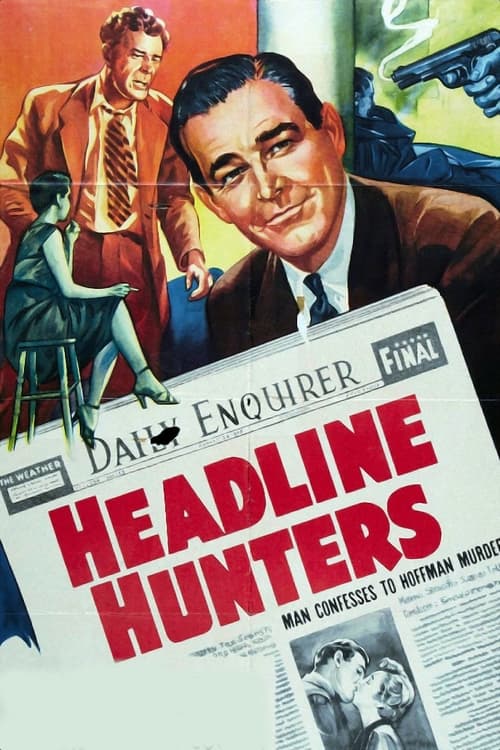
Headline Hunters
1955
No user ratings available yet
Representation score: 3.9 out of 10
Representation Score
Minimal
1956
ApprovedDirector
George Blair
Runtime
61 minutes
Average Rating
No ratings yetNew Showbiz Analysis
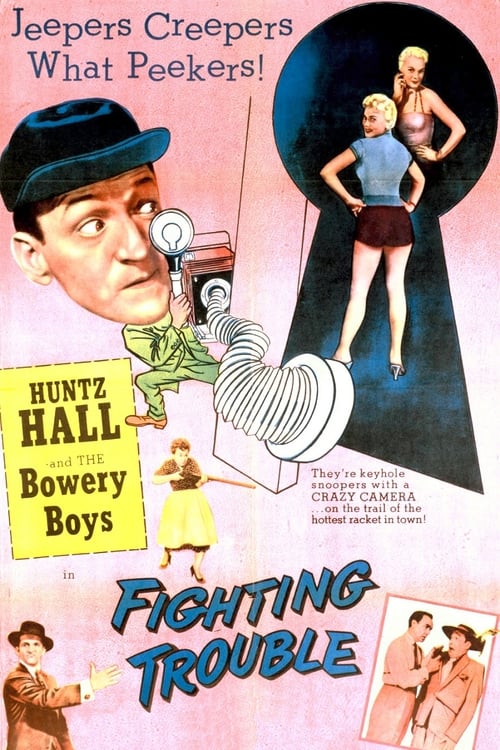
Fighting Trouble is a conventional mid-century genre piece that prioritizes individual adventure over social complexity. The plot follows an overambitious photographer's struggle against a mob boss, adhering strictly to the crime and comedy clichés of the 1950s. The film lacks any representation of multiple aspects of identity or the deconstruction of social hierarchies. It functions as a standard B-movie, focusing on a singular male-driven conflict without addressing underrepresented identities or diverse perspectives. Ultimately, the work reflects the era's typical narrative frameworks, offering little to no engagement with systemic power structures or cultural diversity.
Category Breakdown
The film does not include any non-straight relationships or same-sex intimacy. It follows traditional mid-century social structures.
The story focuses on a male protagonist and a male antagonist. There is no indication of women taking a leading role or challenging gender hierarchies.
The film likely reflects the homogeneous casting standards of 1950s American crime cinema. No diverse ethnic perspectives are present.
The story uses a standard crime-and-adventure framework. It emphasizes individual heroism without critiquing institutions or systems.
No characters with visible or invisible disabilities are identified. The film does not represent any disabilities.
Present on Screen
Limited or Absent
Official Synopsis
An overambitious shutterbug almost gets his lights put out permanently when he decides to snap a picture of a mob boss.
1955
1990
1948
1957
1953
1939
1953
1951
No reviews yet. Be the first to share your thoughts on this movie!
Use the rating form above to leave a star rating and optional review.