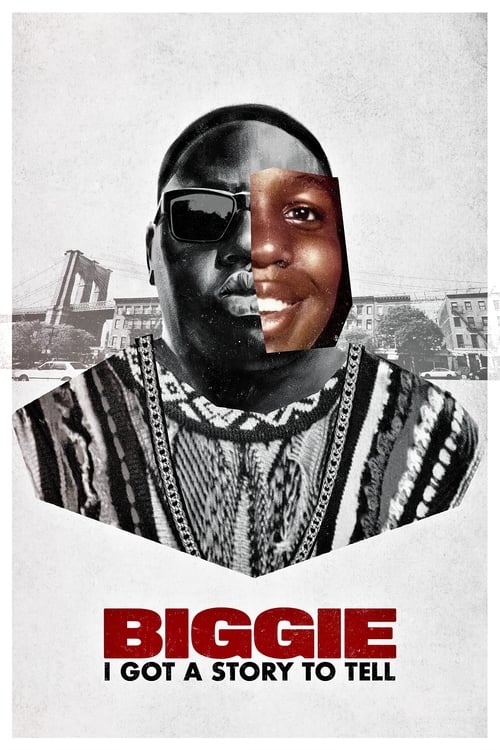
Biggie: I Got a Story to Tell
2021
No user ratings available yet
Representation score: 5.5 out of 10
Representation Score
Excellent
2003
RDirector
Lauren Lazin
Runtime
112 minutes
Average Rating
No ratings yetNew Showbiz Analysis
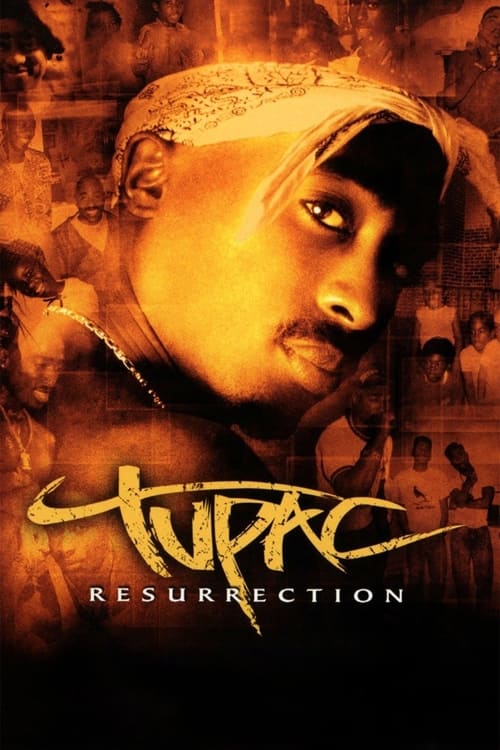
Tupac: Resurrection is a profound archival study that excels by centering Black identity and critiquing systemic issues. It goes beyond a typical biography to explore how a revolutionary figure responds to institutional oppression. The film’s strength lies in its ability to frame personal rebellion as a sophisticated reaction to socio-political tensions. However, the documentary is limited by its narrow focus on a single male subject. While it provides nuanced views on gender and mental health, it lacks broader representation of LGBTQ+ identities or diverse neurodivergent perspectives. The narrative remains deeply personal rather than broad.
Category Breakdown
The documentary does not specifically focus on LGBTQ+ themes or non-binary identities. The archival material does not highlight same-sex relationships or queer viewpoints.
The film delves into Tupac Shakur’s complex views on masculinity and gender roles through his lyrics. While it avoids simplistic stereotypes, the narrative remains centered on a single male perspective.
The film excels by focusing on Black identity and the African Diaspora. It uses Shakur’s voice to critique systemic racism, making the Black experience the primary lens of the film.
This work serves as a strong cultural critique of capitalism and Western institutions. It portrays skepticism of authority and the legal system as legitimate responses to systemic oppression.
Mental health struggles and psychological volatility are shown as part of a complex personality. The film avoids inspirational stories but stays focused on the subject's personal history.
Present on Screen
Limited or Absent
Official Synopsis
Home movies, photographs, and recited poetry illustrate the life of Tupac Shakur, one of the most beloved, revolutionary, and volatile hip-hop MCs of all time.
2021

2017

2005
2018
2015

2017

2012
2019
No reviews yet. Be the first to share your thoughts on this movie!
Use the rating form above to leave a star rating and optional review.