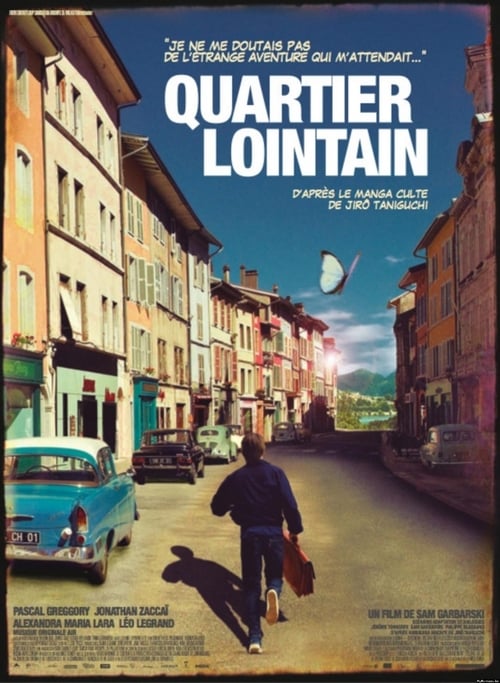
A Distant Neighborhood
2010
No user ratings available yet
Representation score: 5.3 out of 10
Representation Score
Fair
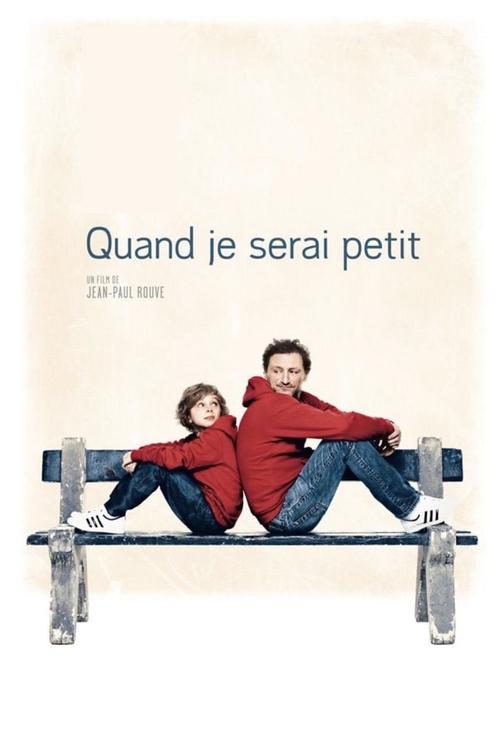
2012
Director
Jean-Paul Rouve
Runtime
90 minutes
Average Rating
No ratings yetNew Showbiz Analysis
Twice Upon a Time is a character-driven drama that prioritizes individual nostalgia and existentialism. The narrative architecture relies on traditional storytelling formulas, focusing on the cyclical nature of life and personal memory. The film lacks an intentional drive to disrupt social hierarchies or integrate multiple aspects of identity. It remains a culturally specific European drama that adheres to conventional social and demographic norms. Because the story centers on a mid-life reflection within a standard family unit, it offers limited representation for underrepresented groups or non-traditional lifestyles.
Category Breakdown
The film operates within a conventional social paradigm. It focuses on a traditional framework that assumes everyone is straight or cisgender and provides no visibility for non-binary gender identities.
The story prioritizes the male protagonist's perspective. Female characters primarily serve as a stabilizing force or a backdrop to the male experience of existential crisis.
The setting depicts a largely homogeneous social environment. The narrative maintains a focus on a singular cultural experience without engaging with diverse ethnic backgrounds.
The film presents a standard middle-class existential inquiry. It treats Western social structures as foundational elements of identity rather than questioning them.
There is no prominent depiction of physical or neurodivergent disabilities. The protagonist's struggles are psychological and existential rather than rooted in visible disabilities.
Present on Screen
Limited or Absent
Official Synopsis
Mathias, aboard a ship with his wife, sees a boy with a striking resemblance to himself and is called - Mathias. He then tracks him to a town north of France to discover that the boys parents are exactly like his parents, only to know that his life is payed over again just 30 years post. He then chooses to be the guest in his own life, while he has a life to live at hand.
2010

2012

2004

1968

2009

2018

2020

2023
No reviews yet. Be the first to share your thoughts on this movie!
Use the rating form above to leave a star rating and optional review.