
Regrets
2009
No user ratings available yet
Representation score: 3.8 out of 10
Representation Score
Fair
2004
RDirector
Dylan Kidd
Runtime
97 minutes
Average Rating
No ratings yetNew Showbiz Analysis
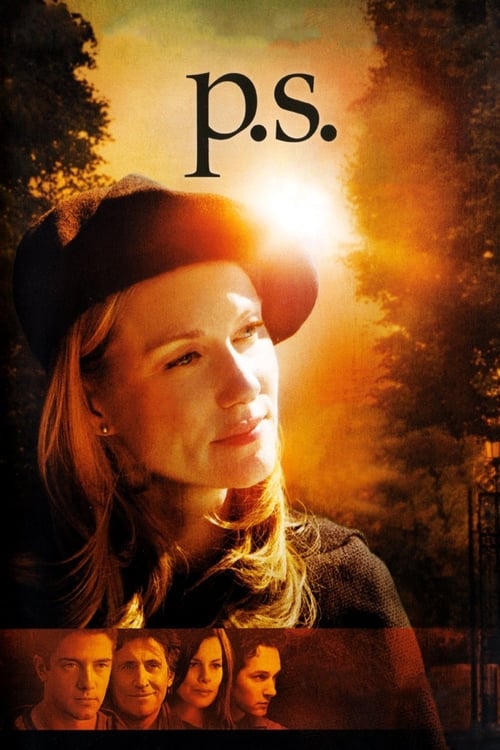
P.S. is a character-driven indie drama that emphasizes personal psychological exploration over social critique. While it successfully centers on the protagonist's emotional journey, it remains focused on a narrow demographic perspective. The film lacks broad representation, particularly for LGBTQ+ individuals, people of color, and those with disabilities. It operates as a traditional domestic realism piece rather than a vehicle for social subversion. Ultimately, the narrative structure is designed for emotional resonance within a specific, homogeneous social circle, rather than challenging systemic hierarchies.
Category Breakdown
The film does not include any LGBTQ+ characters and does not explore non-cisgender identities. The romantic relationships are exclusively between heterosexual couples.
The story focuses on the protagonist's internal emotional journey and experiences, emphasizing her role in driving the narrative.
The cast primarily features white actors from a middle-class, urban background. There is a lack of diverse ethnic representation or characters from different cultural backgrounds.
Moral decisions in the film are based on personal feelings rather than religious beliefs. The story emphasizes interpersonal relationships and psychological realism over ideological conflicts.
The film does not depict any characters with visible or invisible disabilities. Disability is not a focal point or character element in the narrative.
Present on Screen
Limited or Absent
Official Synopsis
Louise, an unfulfilled divorced woman with regrets, gets the chance to relive her past when she meets a young man who bears an uncanny resemblance, in name and appearance, to her high school sweetheart who died many years before.
2009

2000

2011
2000

1990

1995
2023
2004
No reviews yet. Be the first to share your thoughts on this movie!
Use the rating form above to leave a star rating and optional review.