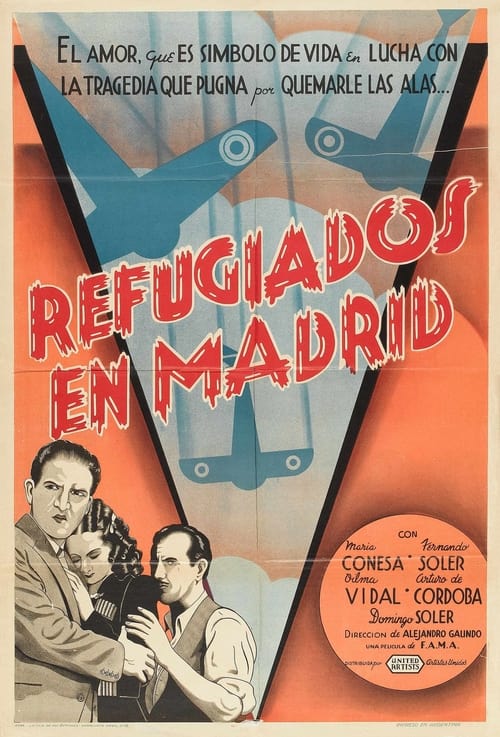
Refugiados en Madrid
1938
No user ratings available yet
Representation score: 3.6 out of 10
Representation Score
Minimal
1937
NRDirector
James P. Hogan
Runtime
78 minutes
Average Rating
No ratings yetNew Showbiz Analysis
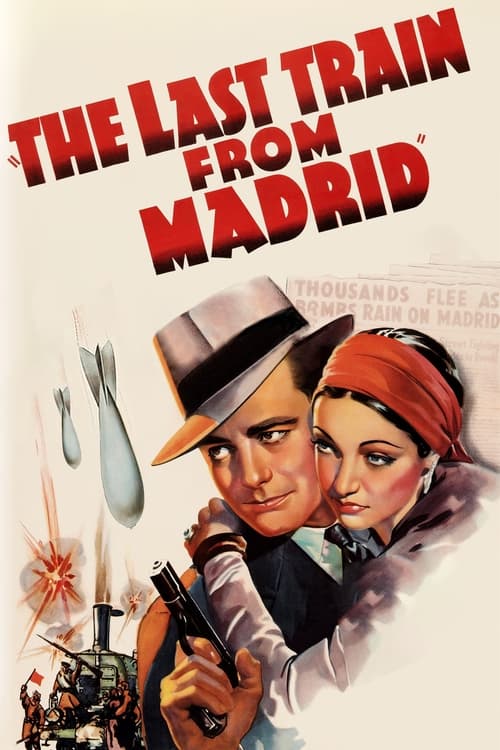
The Last Train from Madrid is a traditional wartime drama centered on seven individuals. While the Spanish Civil War provides a backdrop of systemic upheaval, the film does not use this conflict to challenge social hierarchies or offer characters who reflect more than one aspect of diversity. The narrative focuses on personal lives and romance, following the conventional storytelling patterns of the late 1930s. Without specific evidence of diverse casting or progressive character arcs, the film remains a product of its era's standard cinematic clichés.
Category Breakdown
The film does not show any non-straight or non-cisgender identities or same-sex relationships. It seems to follow the straight-centered structures common in 1937 cinema.
It is unclear if women have roles beyond romantic interests. The film likely follows the standard gender archetypes of the time.
There is no indication of a non-Anglo-Saxon majority cast or race-bent casting. The ethnic background of the seven main characters is unspecified.
The Spanish Civil War setting highlights ideological tension. However, the film does not clearly critique religion or traditional institutions.
There is no documented evidence of characters with physical or neurodivergent disabilities within the central ensemble.
Present on Screen
Limited or Absent
Official Synopsis
The story of seven people: their lives and love affairs in Madrid during the Civil War.
1938

1932

2016
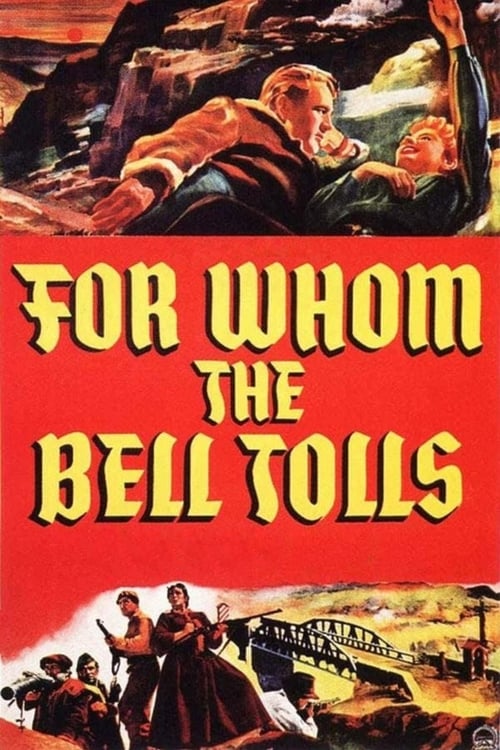
1943
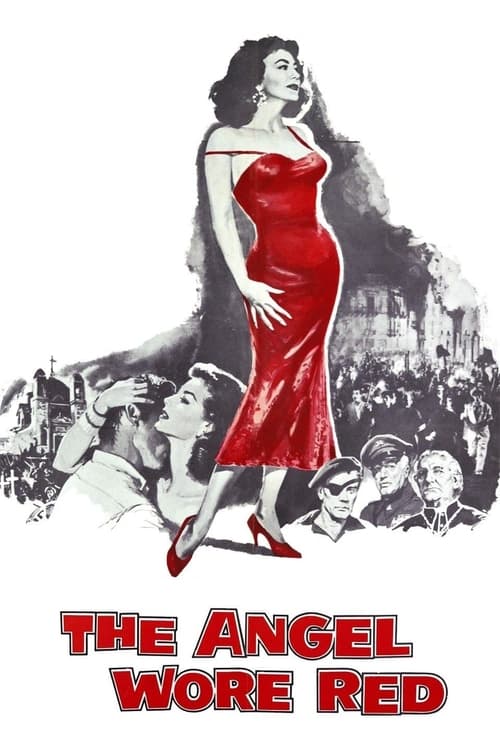
1960

2004

1938
2019
No reviews yet. Be the first to share your thoughts on this movie!
Use the rating form above to leave a star rating and optional review.