Europa Europa
1990
No user ratings available yet
Representation score: 5.2 out of 10
Representation Score
Fair
2013
Director
Rick Ostermann
Runtime
91 minutes
Average Rating
No ratings yetNew Showbiz Analysis
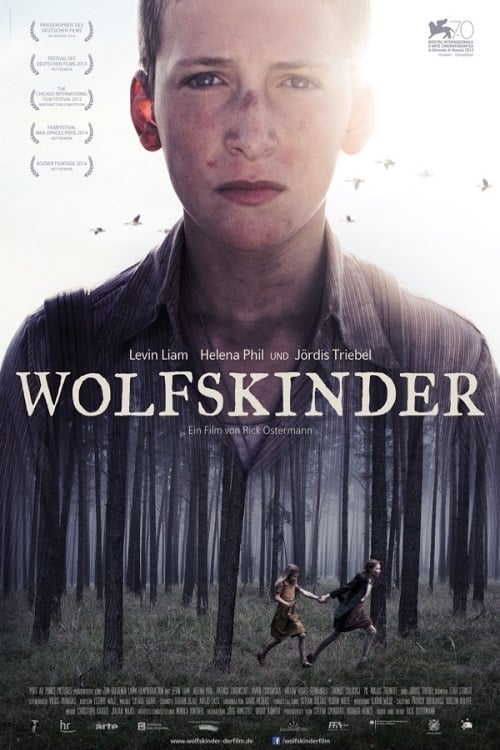
Wolfskinder is a traditional historical drama centered on the survival of children in post-war Lithuania. Its strength lies in depicting the active role of underrepresented youth navigating the aftermath of failed political systems. However, the film lacks complexity in addressing multiple aspects of identity. It sticks to conventional historical frameworks and traditional character types without offering radical subversion. The narrative remains focused on survival and family bonds, missing opportunities for LGBTQ+ visibility or challenging established gender roles.
Category Breakdown
The film emphasizes fraternal bonds and collective survival. It does not include any non-cisgender identities or narratives that challenge the assumption that everyone is straight or cisgender.
The plot centers around finding a lost brother, using traditional male-centric themes of protection. It does not deconstruct masculinity or challenge gender hierarchies.
Set in post-WWII Lithuania, the film reflects the region's demographics. It focuses on young people displaced by state structures.
The narrative shows the breakdown of state authority and institutional stability. It explores survival through decentralized groups in a post-war environment.
The narrative does not specifically address characters dealing with physical, neurodivergent, or mental health disabilities.
Present on Screen
Limited or Absent
Official Synopsis
The story of a boy who, driven by the search for his lost brother in the turmoil of WWII, joins a group of children in order to survive the chaos of post-war anarchy in the haunted forests of Lithuania.
1990

2014
1968
2020
2015

2017
2017
2019
No reviews yet. Be the first to share your thoughts on this movie!
Use the rating form above to leave a star rating and optional review.