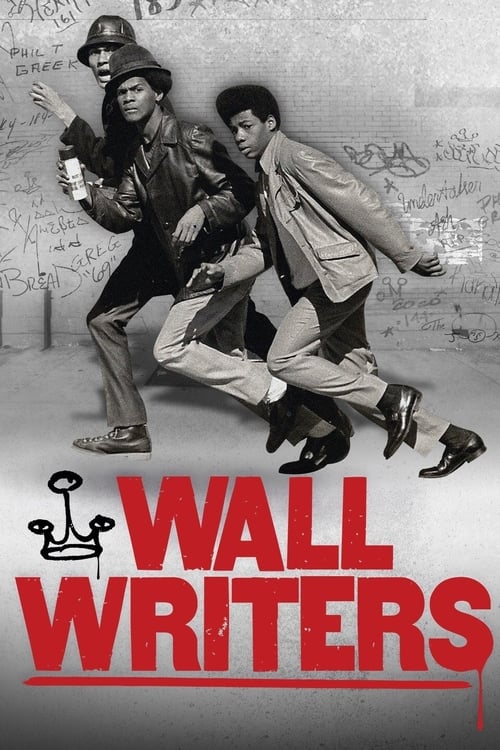
Wall Writers
2016
No user ratings available yet
Representation score: 6.8 out of 10

Representation Score
Good
2019
TV-14Director
Selina Miles
Runtime
82 minutes
Average Rating
No ratings yetNew Showbiz Analysis
The documentary succeeds by elevating a underrepresented medium and its primary chronicler, Martha Cooper. By documenting the intersection of street art and urban subcultures, the film disrupts conventional historical narratives and validates subcultural histories. The film's strength lies in its focus on identity-driven movements and the friction between grassroots creators and established institutions. It effectively centers the ability to act of people of color within the emergence of the graffiti movement. However, the film lacks explicit detail regarding specific LGBTQ+ narratives or disability representation. While the historical context suggests inclusivity, the documentary does not provide clear, individual character arcs for these specific groups.
Category Breakdown
The film explores the 1970s New York underground, a period where subcultures often served as safe havens for diverse identities. While specific LGBTQ+ character arcs are not detailed, the setting implies a likely presence of LGBTQ+ individuals.
The documentary centers on Martha Cooper, a female photographer in a male-dominated urban art scene. It grants her a significant role in driving the story and intellectual authority, positioning her as a foundational figure rather than a passive observer.
By focusing on the origins of graffiti in 1970s New York, the film inherently centers Black and Latino communities. It prioritizes these underrepresented voices as the primary drivers of a global cultural movement.
The narrative frames graffiti as a form of systemic resistance against oppressive urban frameworks. It validates a medium often labeled as vandalism, challenging traditional definitions of legality and institutional authority.
The film provides no specific evidence regarding the portrayal of physical or neurodivergent disabilities.
Present on Screen
Limited or Absent
Official Synopsis
In 1970s New York, photographer Martha Cooper captured some of the first images of graffiti at a time when the city had declared war on it. Decades later, Cooper has become an influential godmother to a global movement of street artists.
2016
2022
2013
2017
2007

2010
2020

2005
No reviews yet. Be the first to share your thoughts on this movie!
Use the rating form above to leave a star rating and optional review.