So Young, So Lovely, So Vicious...
1975
No user ratings available yet
Representation score: 3.9 out of 10
Representation Score
Limited
1960
Director
Edmond T. Gréville
Runtime
88 minutes
Average Rating
No ratings yetNew Showbiz Analysis
Beat Girl serves as a cinematic reflection of the early 1960s youth movement, highlighting the tension between mid-century social norms and the emerging London jazz scene. The film successfully challenges traditional authority by presenting the 'Beat' lifestyle as a legitimate social identity. However, it lacks diverse representation, focusing primarily on an Anglo-centric subculture. The film does not include any LGBTQ+ identities or racial diversity. The cast and setting reflect a highly homogeneous demographic. Ultimately, while the film disrupts the stability of traditional domestic life by centering adolescent rebellion, it remains confined to the limited social perspectives of the time regarding race and sexuality.
Category Breakdown
The film strictly follows the assumption that everyone is straight or cisgender, with no depictions of non-traditional gender identities or same-sex relationships.
Jenny plays a significant role in driving the story, but her autonomy is often limited by the male-dominated criminal underworld.
The cast is predominantly white, reflecting the demographic homogeneity of the 1960 British urban landscape. The narrative does not engage with racial or ethnic diversity.
The film captures the 'Beat' subculture, using jazz and underground clubs to critique traditional Western family units. It prioritizes the subjective experience of youth counter-culture over traditionalist morality.
There are no visible or invisible disabilities portrayed within the narrative. Characters with disabilities are not used as plot devices.
Present on Screen
Limited or Absent
Official Synopsis
When her architect father brings home a much younger new wife, rebellious and resentful teen Jenny goes to extreme lengths to sabotage their relationship.
1975
1961

1961
1970
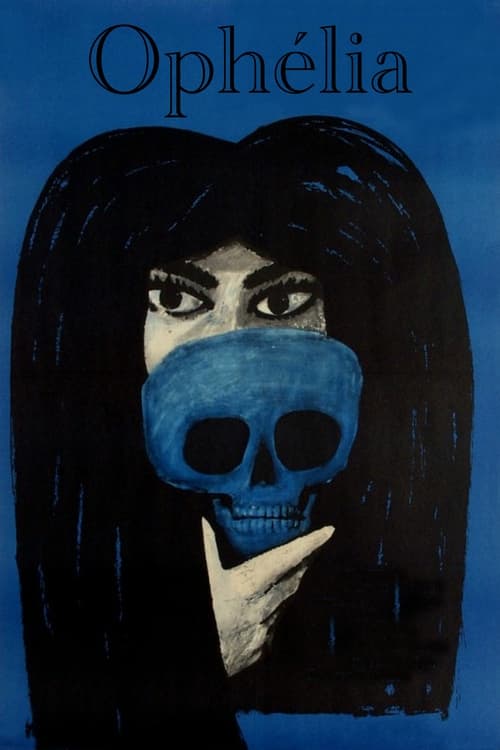
1963
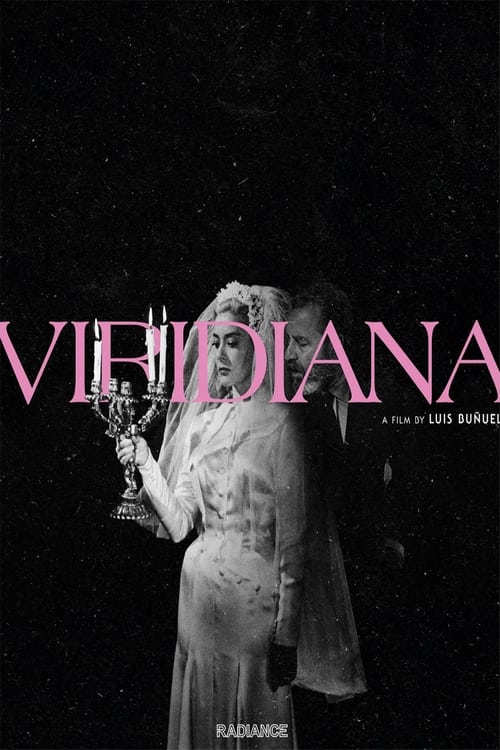
1962
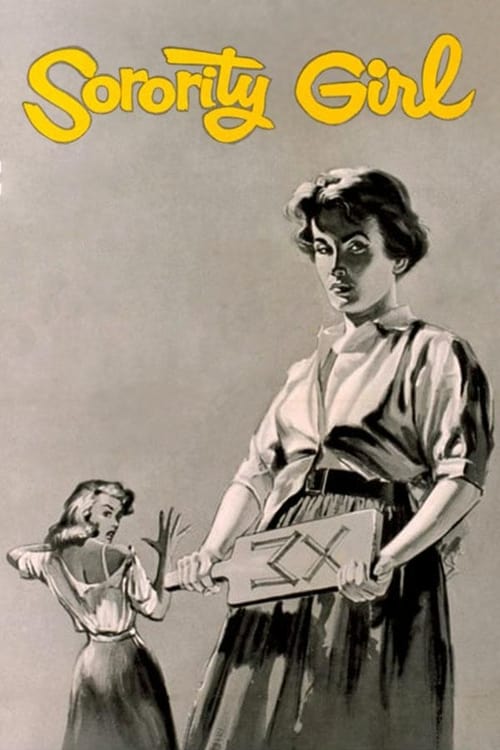
1957
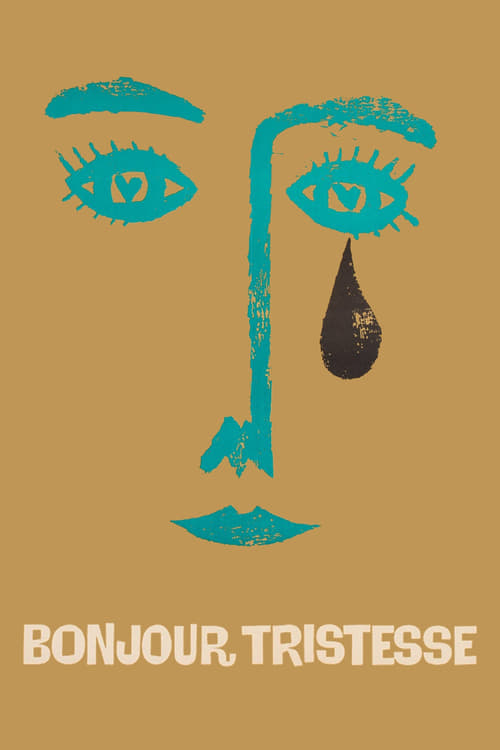
1958
No reviews yet. Be the first to share your thoughts on this movie!
Use the rating form above to leave a star rating and optional review.