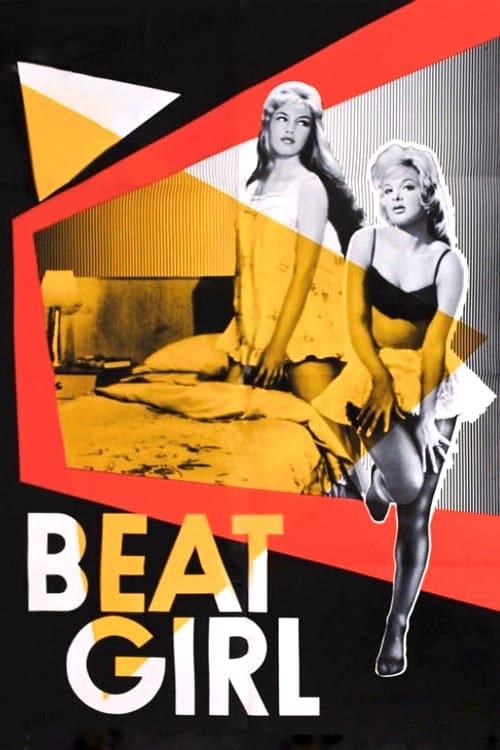
Beat Girl
1960
No user ratings available yet
Representation score: 2.3 out of 10

Representation Score
Limited
1961
Director
Nils Reinhardt Christensen
Runtime
90 minutes
Average Rating
No ratings yetNew Showbiz Analysis
The film 'The Passionate Demons' reflects the social and demographic norms of its 1961 setting. It adheres closely to traditional gender roles and a homogeneous social structure, lacking racial and LGBTQ+ diversity. However, the film deviates from typical mid-century narratives by questioning the stability of the patriarchal family unit. By highlighting the emotional tension between a father and son, it delves into psychological realism. Overall, while the film does not offer modern inclusive representation, its thematic exploration of breaking down traditional authority highlights the evolving dramatic sensibilities of the time.
Category Breakdown
The film does not include any explicit LGBTQ+ characters or themes. The story revolves around a typical father-son conflict, following a straight-centered storyline.
The narrative is dominated by male-driven conflicts. A female character exists but mainly functions to calm the protagonist’s emotions rather than act independently.
The film seems to reflect the demographic uniformity of its era. There is no indication of non-white or non-Anglo-Saxon individuals playing significant roles.
The film subtly critiques traditional Western hierarchies. By focusing on a son's resentment towards his father, it challenges the mid-century ideal of a stable, patriarchal family.
There is no information about the depiction of physical or neurodivergent disabilities in this work.
Present on Screen
Limited or Absent
Official Synopsis
A youthful drama about a young guy and his struggles with his hatred of his father. Not even a relationship with a good-looking girl seems to cool his emotions.
1960

1965
1960
1987
1983

1965

1975
1963
No reviews yet. Be the first to share your thoughts on this movie!
Use the rating form above to leave a star rating and optional review.