Briciole
2005
No user ratings available yet
Representation score: 6.7 out of 10
Representation Score
Fair
2005
Director
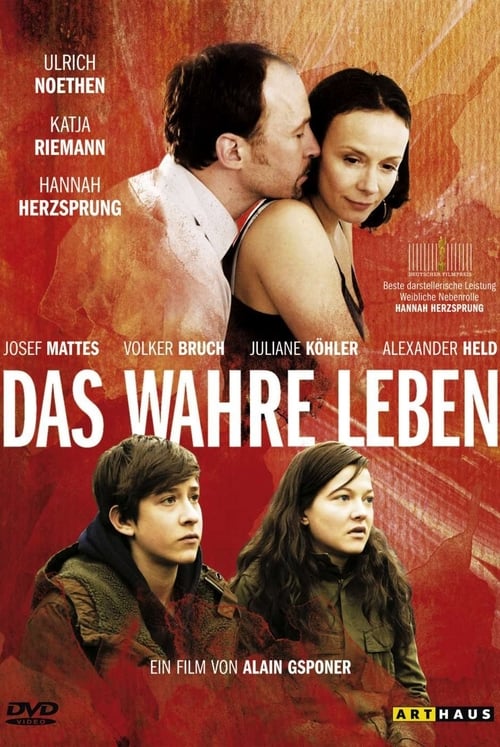
Alain Gsponer
Runtime
93 minutes
Average Rating
No ratings yetNew Showbiz Analysis
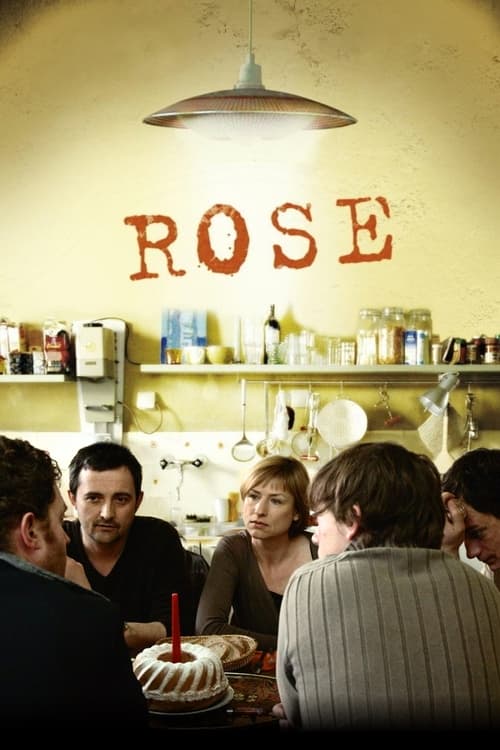
Rose is a character-driven drama that centers on a matriarchal household rather than a traditional nuclear family. By focusing on a single mother navigating life without a father figure, the film disrupts conventional domestic archetypes. The narrative finds strength in its exploration of social marginality and non-conformity. Rose's background as a former squatter and her career in pulp fiction provide a unique perspective on unconventional domesticity. However, the film lacks breadth in its representation of identity. It offers little visibility regarding LGBTQ+ characters or racial diversity, focusing instead on a specific, homogeneous social context.
Category Breakdown
The film does not explicitly depict LGBTQ+ identities. It focuses on Rose's heterosexual relationship with Gerhard and her family unit.
Rose manages both the economic survival and emotional well-being of her household. The absence of a father figure challenges traditional masculine authority.
The story seems to focus on a homogeneous social group. There is no indication of multi-ethnic casting or intentional racial blending in this domestic drama.
The film explores non-traditional lifestyles, such as Rose's history as a squatter. It emphasizes individual autonomy and unconventional labor over institutional conformity.
There are no visible or invisible disabilities mentioned in the narrative. No information is available regarding neurodivergence or physical impairments.
Present on Screen
Limited or Absent
Official Synopsis
Rose is in her early forties and a single mother of three – supposedly – adult sons: Bernd, 23, earns money for the family during the day at a copy shop and in the evenings at a pub; Axi, 21, is training at a bank; and the youngest, Stan, who will soon turn 18, is skipping high school and would rather smoke weed and pursue a career as a DJ. Rose led a wild life as a squatter in the early 1980s, but that came to an abrupt end when she separated from Jürgen, the father of her three boys, more than ten years ago. They have had no contact since then. Rose moved into her grandfather's house with her three sons and now earns a living writing pulp fiction. And then there's her new boyfriend, Gerhard. She doesn't dare introduce him to her sons and doesn't know herself whether he's the right one.
2005

2012
2009
2007
2019
2006

2000
2003
No reviews yet. Be the first to share your thoughts on this movie!
Use the rating form above to leave a star rating and optional review.