In Bloom
2013
No user ratings available yet
Representation score: 5.9 out of 10
Representation Score
Fair
2017
Director
Simon Groß, Nana Ekvtimishvili
Runtime
119 minutes
Average Rating
No ratings yetNew Showbiz Analysis
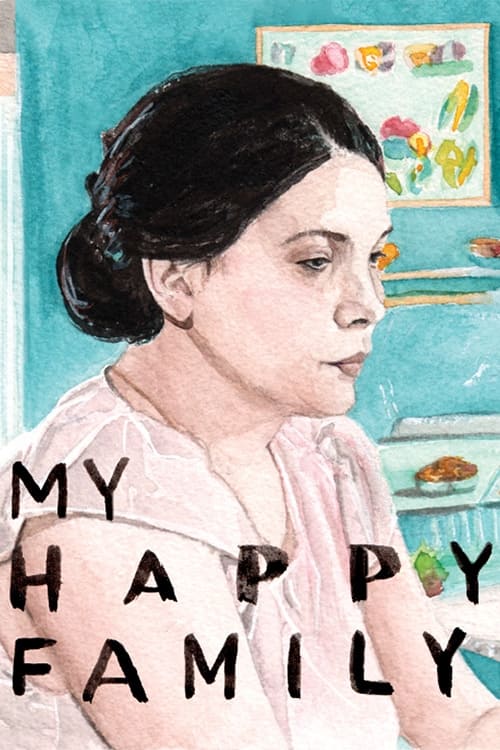
My Happy Family is a sophisticated work of social realism that challenges traditionalist structures. It succeeds by highlighting the pursuit of individual ability to act as a transformative force against the weight of patriarchal and familial institutions. The film's strength lies in its critique of the stable patriarchal household. By focusing on a woman's struggle for autonomy, it challenges the perceived sanctity of the multi-generational family unit. While the film lacks LGBTQ+ representation and disability focus, it provides a nuanced, non-Western perspective. It effectively uses a specific cultural setting to critique universalized domestic models.
Category Breakdown
The film focuses on a traditional domestic structure and does not include explicit LGBTQ+ characters or non-straight-centered storylines. Its critique of rigid social norms suggests a lack of space for diverse identities.
Manana's decision to leave her domestic roles offers a strong critique of traditional gender roles. The film portrays patriarchal authority as restrictive and highlights a woman's pursuit of independence and self-determination.
The cast is ethnically uniform, providing a localized view of post-Soviet Georgian society. It avoids Western norms by presenting an authentic, culturally specific reality.
The film presents the multi-generational family unit and its rigid social codes as oppressive. It emphasizes individual truth and self-actualization over the collective morality of the traditional household.
There is no significant or identifiable focus on physical or neurodivergent disabilities within the primary narrative arc.
Present on Screen
Limited or Absent
Official Synopsis
In a patriarchal society, an ordinary Georgian family lives with three generations under one roof. All are shocked when 52-year-old Manana decides to move out from her parents’ home and live alone. Without her family and her husband, a journey into the unknown begins.
2013
2016

2022
2008
2015
2016

2006
2023
No reviews yet. Be the first to share your thoughts on this movie!
Use the rating form above to leave a star rating and optional review.