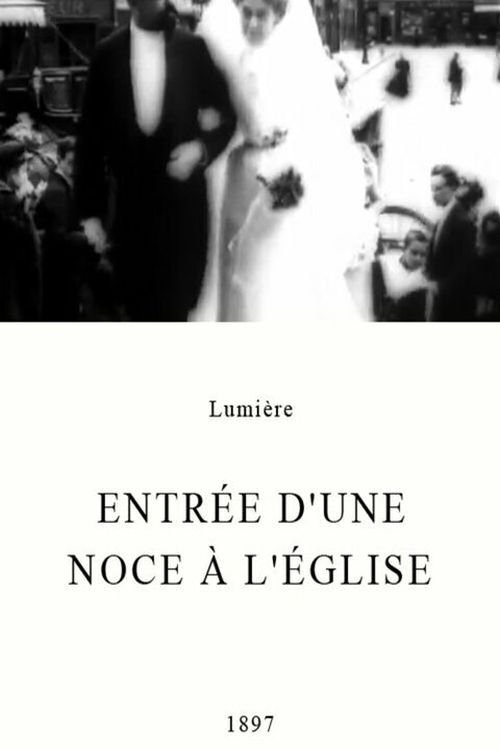
Entrée d'une noce à l'église
1897
No user ratings available yet
Diversity score: 1.1 out of 10

1901
Director
Louis Lumière, Auguste Lumière
Runtime
1 minutes
Average Rating
No ratings yetSynopsis
A group of people cross a mountain near Chamonix and are filmed doing so by the Lumière brothers.
Overall Score
Minimal
Category Breakdown
LGBTQ+ Representation
The film lacks any evidence of LGBTQ+ characters or non-heteronormative expressions. It appears to be a candid recording of a group activity following the social norms of 1900.
Gender Representation
The documentary captures a mountain crossing without specific character arcs. The score reflects a lack of visible women demonstrating agency or subverting traditional gender hierarchies.
Racial & Ethnic Diversity
The cast appears homogeneous, reflecting the geographic and temporal context of Chamonix at the turn of the century. There is no evidence of racial blending or diverse casting.
Religious & Cultural Diversity
The work serves as a neutral observation of a physical feat. It does not actively critique Western institutions or use narrative devices to promote secularism or moral relativism.
Disability Representation
There is no documented evidence of characters with visible or invisible disabilities being portrayed with agency or used as plot devices.
Strengths
Areas for Improvement
AI Analysis
As a foundational piece of observational cinema, this short documentary focuses on the technical recording of human activity rather than narrative storytelling. Because it captures a specific moment in time in France, the subjects reflect the era's social and demographic homogeneity. The film lacks the character development or intentionality necessary to engage with intersectional representation. It functions primarily as a historical record of a physical feat rather than a medium for social commentary. Ultimately, the work's lack of diversity is a byproduct of its genre and historical context, offering a snapshot of traditional social structures without attempting to subvert them.
1897
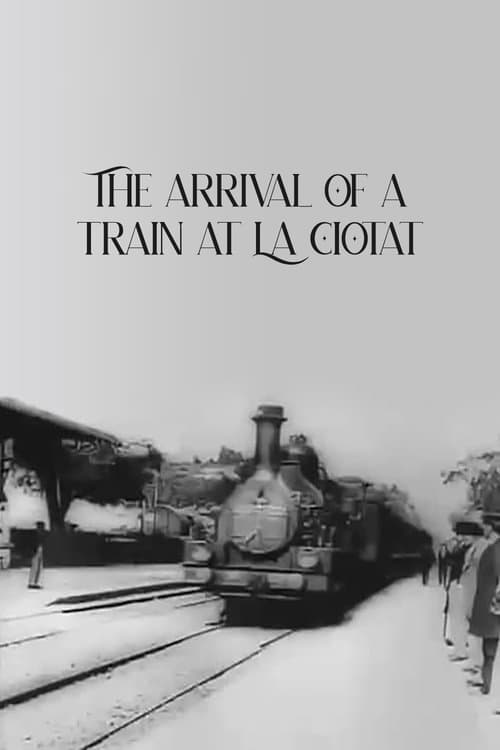
1896
1897
1896
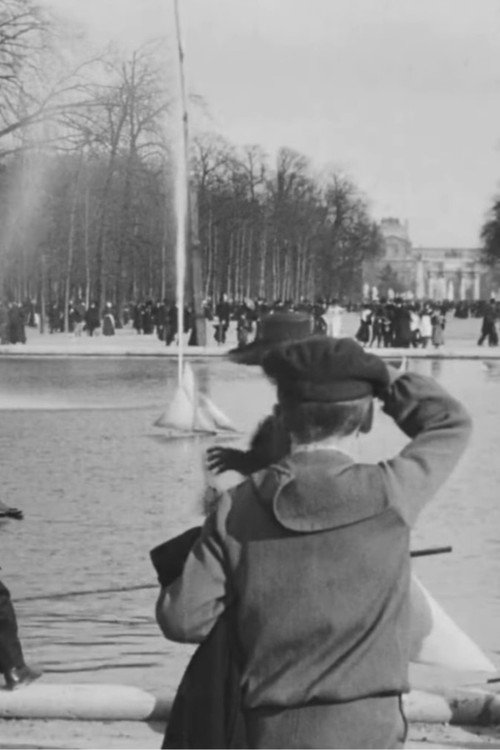
1896
1896
1897
No reviews yet. Be the first to share your thoughts on this movie!
Use the rating form above to leave a star rating and optional review.