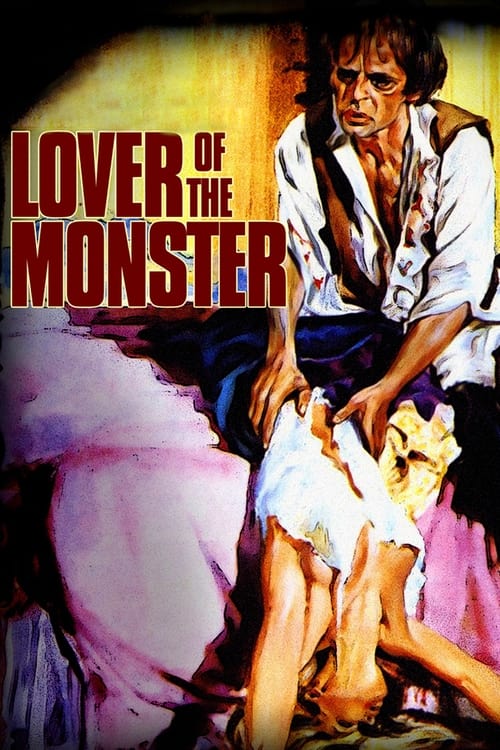
Lover of the Monster
1974
No user ratings available yet
Representation score: 4.1 out of 10
Representation Score
Fair
1974
Director
Sergio Garrone
Runtime
87 minutes
Average Rating
No ratings yetNew Showbiz Analysis
This film is a traditional Gothic horror piece that adheres to the established cinematic norms of the 1970s. It focuses on individual psychological tension and scientific hubris, rather than progressive social commentary. The narrative delves into complex themes of bodily autonomy and identity through Tanja's disfigurement, but it does not challenge conventional social hierarchies. Character dynamics are rooted in a power imbalance, with the male protagonist driving the plot. Overall, the film lacks depth in representing diverse identities and cultural backgrounds, relying instead on homogeneous European archetypes and traditional structures.
Category Breakdown
The film centers on a heterosexual relationship between Professor Nijinski and Tanja. There are no representations of same-sex relationships or non-binary identities.
There is a power imbalance between the male protagonist and the female lead. While Tanja is central, she has limited control over her own story due to her husband's scientific pursuits.
The film features a largely homogeneous cast with European characters. There is no indication of racial diversity or inclusive casting.
The story uses a classic Gothic framework focusing on personal obsession and horror clichés. It adheres to Western horror conventions without providing a broader cultural critique.
Tanja's physical disfigurement drives the plot through themes of isolation. However, her condition may serve primarily as a tool for advancing the male protagonist's ambitions.
Present on Screen
Limited or Absent
Official Synopsis
Baron Ivan Rassimov, a brilliant doctor, died horribly during a fire burst in his laboratory. Since that day, his daughter Tanja retired to a life of reclusion, covering with a dark veil her disfigured face. Professor Nijinski was once a student of Rassimov; he married Tanja, and he's trying to restore her lost beauty with a series of skin transplants. However, to reach his goal, professor Nijinski needs beautiful young victims for his transplant experiments.
1974
1960

1960
1971
1962
1960
1968
1969
No reviews yet. Be the first to share your thoughts on this movie!
Use the rating form above to leave a star rating and optional review.