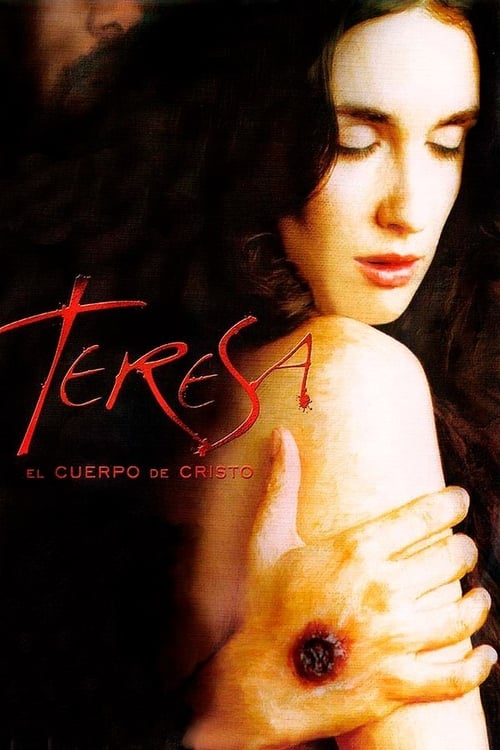
Theresa: The Body of Christ
2007
No user ratings available yet
Diversity score: 6.8 out of 10
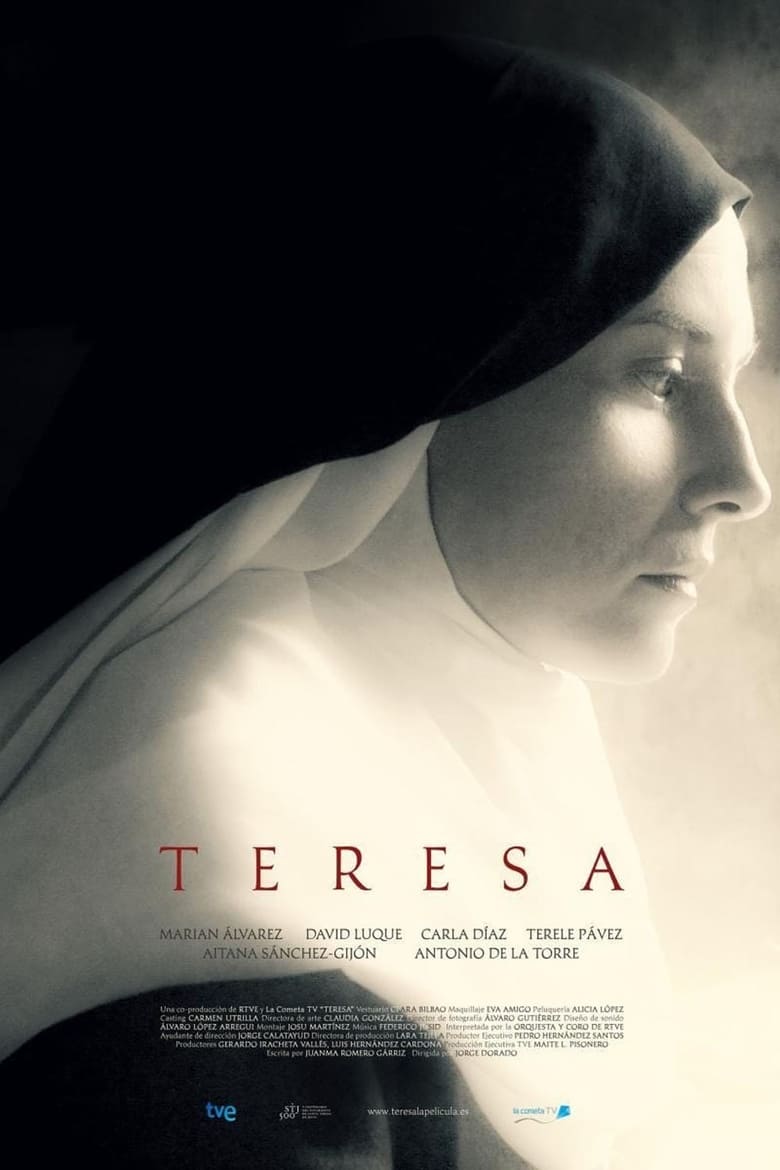
2015
Director
Jorge Dorado
Runtime
107 minutes
Average Rating
No ratings yetSynopsis
A new vision of the figure of Saint Teresa through the eyes of a young woman of our day who reads one of the main works written by the saint, The Book of Life.
Overall Score
Fair
Category Breakdown
LGBTQ+ Representation
The film lacks explicit depictions of queer identity or same-sex intimacy. It focuses instead on a female protagonist's internal connection to a historical female figure.
Gender Representation
The narrative centers on female agency and intellectual connection. It disrupts patriarchal religious histories by prioritizing the female gaze and the spiritual authority of women.
Racial & Ethnic Diversity
Specific racial diversity remains unverified due to limited descriptive data. The film's focus is primarily on the thematic intersection of history and modernity.
Religious & Cultural Diversity
The film deconstructs religious tradition through a modern, subjective lens. It favors personal psychological engagement with sacred texts over the promotion of institutional dogma.
Disability Representation
There is no evidence of characters with physical or neurodivergent disabilities within the film's narrative.
Strengths
Areas for Improvement
AI Analysis
Teresa is a contemplative drama that finds its strength in quiet subversion. By framing the legacy of Saint Teresa through the eyes of a contemporary woman, the film elevates female intellectual agency and challenges monolithic religious histories. The work succeeds in disrupting traditional hagiography, moving away from rigid dogma toward a more subjective, psychological exploration of spirituality. It centers the female experience in a way that reclaims historical icons for a modern audience. However, the film remains limited in its overt representation. Without explicit markers of racial diversity or queer identity, the narrative stays within a more neutral, introspective territory.
2007
2025

2011
2019
2010
2009
2015
1969
2009
2015
2017

2013
No reviews yet. Be the first to share your thoughts on this movie!
Use the rating form above to leave a star rating and optional review.