
My Friend from Faro
2008
No user ratings available yet
Diversity score: 7.3 out of 10
1985
NRDirector
René Féret
Runtime
86 minutes
Average Rating
No ratings yetSynopsis
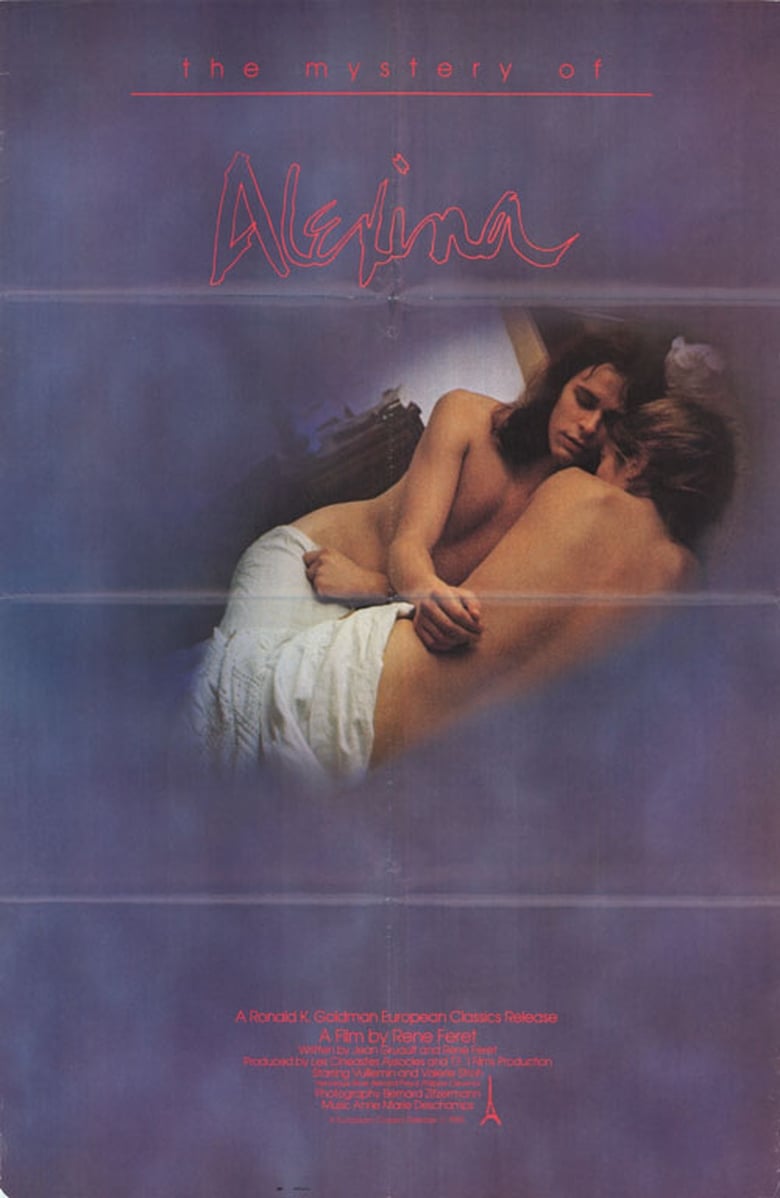
In 1856, fresh from life with nuns in an orphanage school, Alexina Barbin comes to a coastal village in La Rochelle to teach the village girls. She is deeply religious. She shares the classroom and a bedroom with the young and vivacious Sara, with whom she falls in love. Alexina has another secret: her gender is mysterious. She and Sara begin a scandalous love affair, but Alexina seeks marriage and social acceptance. She discloses her secrets to the village priest, to her mother, to the bishop, and to the bishop's physician. After the church and court rule on her petition, marriage to Sara becomes Alexina's sole purpose and hope.
Overall Score
Good
Category Breakdown
LGBTQ+ Representation
The film centers on a profound romantic bond between Alexina and Sara. It depicts a scandalous love affair, moving beyond subtext to address non-heteronormative desire and the pursuit of legitimacy.
Gender Representation
Alexina’s mysterious gender challenges 19th-century binary expectations. The narrative focuses on female agency and the struggle to define oneself outside of patriarchal or ecclesiastical definitions.
Racial & Ethnic Diversity
Set in 1856 La Rochelle, the film reflects the demographic homogeneity of a provincial French village. There is a lack of visible racial or ethnic diversity in the primary cast.
Religious & Cultural Diversity
The story critiques traditional Western institutions by framing the Church and legal systems as obstacles to authenticity. Religious authority acts as a mechanism of judgment rather than solace.
Disability Representation
There are no clearly identifiable depictions of physical or neurodivergent disabilities that serve as central narrative drivers in this work.
Strengths
Areas for Improvement
AI Analysis
The film is a character-driven historical drama that prioritizes psychological depth over spectacle. It effectively uses a 19th-century setting to explore the friction between individual agency and oppressive institutional power. While the narrative excels in exploring queer longing and gender identity, it remains limited by the historical homogeneity of its provincial French setting. The focus on religious and legal conflict provides a sophisticated critique of social structures. Ultimately, the film succeeds as a study of identity, though it lacks diversity in terms of race and disability.
2008
1969

2011
1986
1984

2007

2010

2020
1958

2013

1988

2006
No reviews yet. Be the first to share your thoughts on this movie!
Use the rating form above to leave a star rating and optional review.