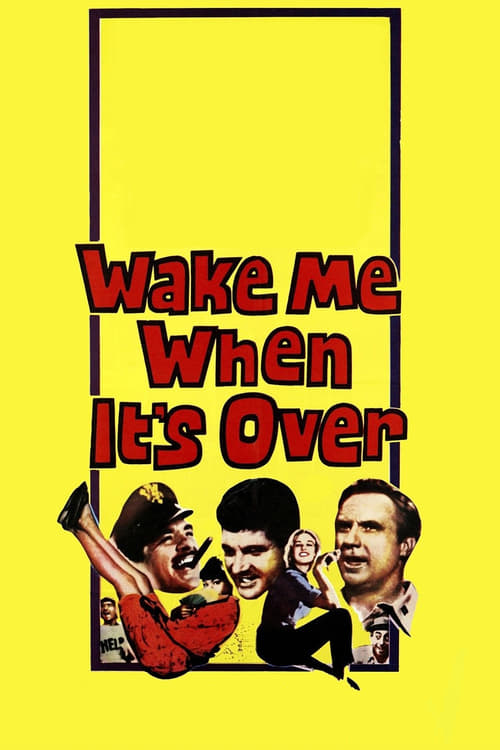
Wake Me When It's Over
1960
No user ratings available yet
Representation score: 3.6 out of 10
Representation Score
Limited
1956
ApprovedDirector
Frank Tashlin
Runtime
99 minutes
Average Rating
No ratings yetNew Showbiz Analysis
The film is a product of its 1956 era, functioning primarily as a traditional mid-century domestic comedy. It relies heavily on the social and demographic norms common to the period, focusing on a nuclear family and military obligations. While the premise offers a slight subversion of traditional gender roles through its title and comedic setup, the narrative remains anchored in conventionality. The absence of diverse casting or non-straight relationships limits the film’s scope. Ultimately, the film reinforces traditional social structures rather than challenging them.
Category Breakdown
The film does not include any explicit LGBTQ+ characters or stories. The main plot revolves around a traditional marriage between a veteran and his wife, sticking to conventional family structures.
The title hints at a comedic twist involving gender roles and masculinity. However, it is unclear whether this challenges traditional gender roles or merely uses femininity for humor.
The production likely mirrors the demographic norms of its time. There is no indication of a diverse cast or multi-ethnic ensemble in the provided context.
The story emphasizes mid-century Western values, particularly marriage and military service. It centers on a traditional family structure and upholds traditional social institutions.
The film does not feature any characters with physical, sensory, or neurodivergent disabilities.
Present on Screen
Limited or Absent
Official Synopsis
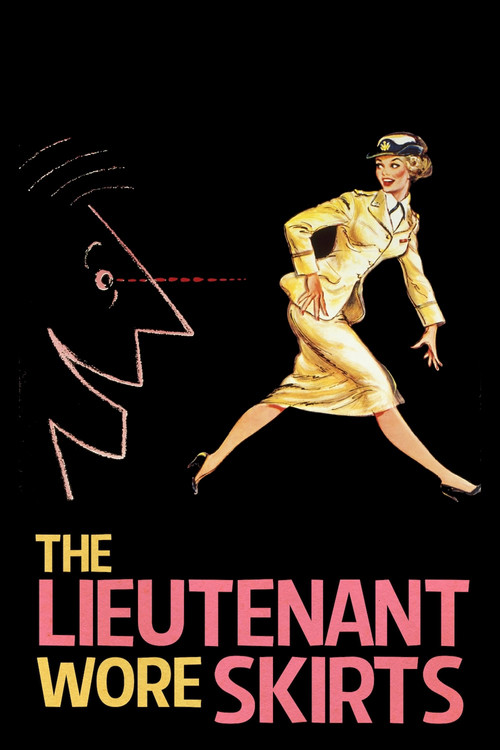
A middle-aged ex-serviceman who plans to re-enlist is shocked to learn that not only did he fail his medical exam, his wife has enlisted - and is really making the grade in the Air Force. Unhappy to be a "house husband," he flies to Hawaii to be near her - and also to hatch a scheme to get her discharged.
1960
1944
1956
1949

1950
1959

1953
1963
No reviews yet. Be the first to share your thoughts on this movie!
Use the rating form above to leave a star rating and optional review.