
My Name Is Barbra
1965
No user ratings available yet
Representation score: 1.5 out of 10

Representation Score
Minimal
1967
GDirector
Joe Layton, Walter C. Miller
Runtime
52 minutes
Average Rating
No ratings yetNew Showbiz Analysis
The Belle of 14th Street is a nostalgic tribute to the vaudeville era, focusing on preserving musical classics rather than exploring social issues. Its narrative structure stays within a stable, homogeneous framework that avoids challenging existing social hierarchies or demographic structures. The film prioritizes traditional cultural norms and mid-century entertainment standards, lacking depth in representing diverse identities.
Category Breakdown
The film strictly follows the conventions of the 1960s, with no depictions of same-sex relationships or non-traditional gender identities.
Tuesday Weld plays a central role, but her influence is limited to her romantic impact. The film upholds traditional gender roles and social norms.
The cast is mostly uniform, reflecting the homogeneity of the time. There are no characters of color with significant roles.
The film highlights Western musical traditions and American vaudeville. It emphasizes sentimentality and the preservation of cultural classics without questioning established norms.
There is no representation of physical or neurodivergent disabilities. Characters serve the needs of the lighthearted musical comedy.
Present on Screen
Limited or Absent
Official Synopsis
Her first television special to feature guest-stars, The Belle of 14th Street celebrates, in ways both comedic and heartfelt, "The Golden Age of Song". A marvelous showcase for such evergreens as Sophie Tucker's "Some of These Days", "How About Me" (written by "a young new talent" Irving Berlin), the poignant "I'm Always Chasing Rainbows", and the sublime "My Buddy" - all classics of the vaudeville era, reinvented by "the greatest star" of our time.
1965
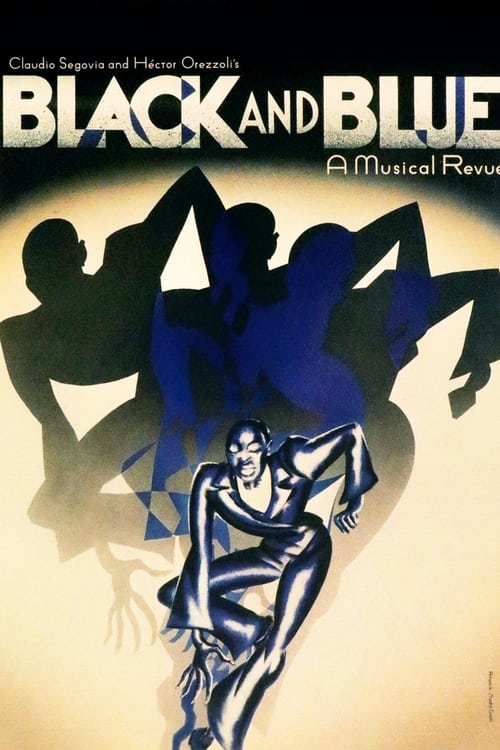
1993
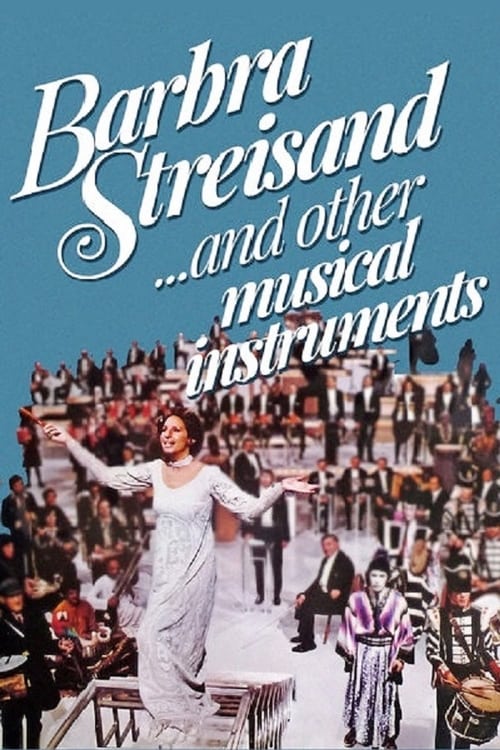
1973
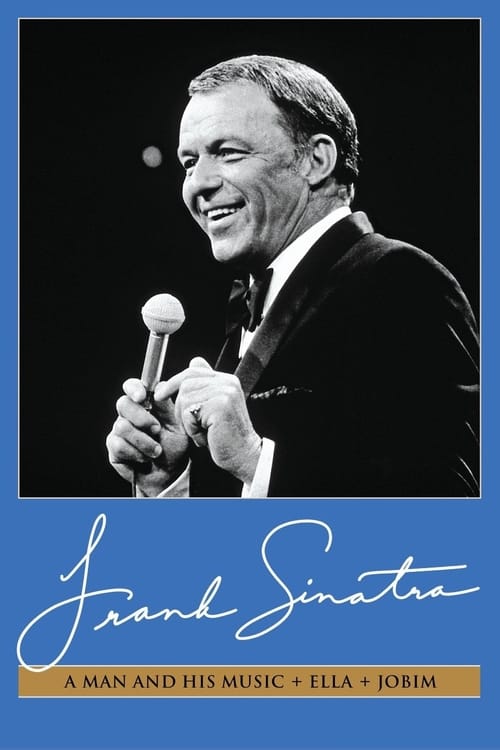
1967

2018
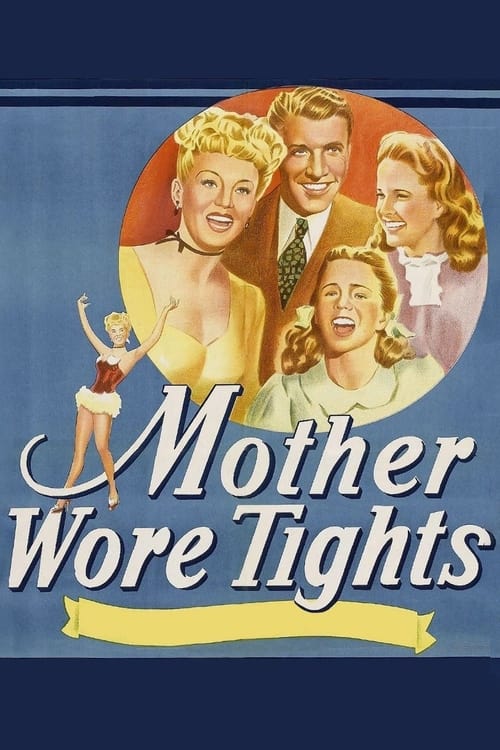
1947

1945
2003
No reviews yet. Be the first to share your thoughts on this movie!
Use the rating form above to leave a star rating and optional review.