Barbra Streisand... and Other Musical Instruments
1973
No user ratings available yet
Representation score: 5.0 out of 10
Representation Score
Good
1993
TV-GDirector
Robert Altman
Runtime
86 minutes
Average Rating
No ratings yetNew Showbiz Analysis
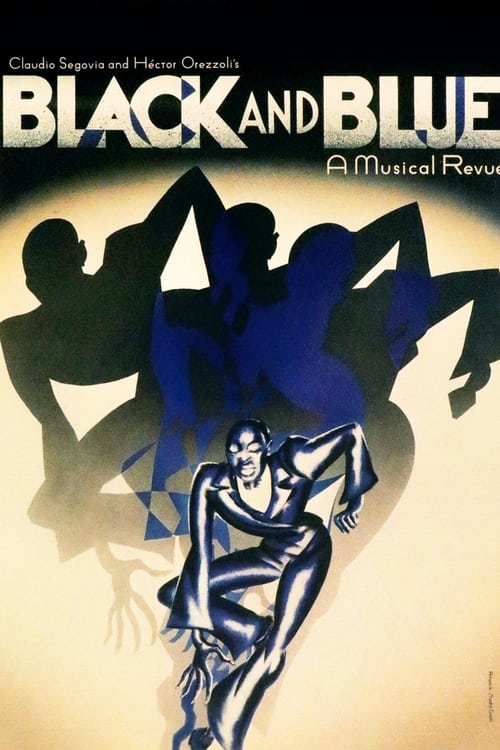
This musical revue serves as a vital celebration of Rhythm and Blues heritage. By centering legendary Black performers, the production elevates African American artistry to a position of cultural primacy rather than treating it as a secondary interest. The film effectively challenges traditional hierarchies by placing female vocalists in roles of command and professional mastery. This focus on individual talent provides a nuanced look at female leadership within the genre. While the production excels in racial and cultural representation, it remains neutral regarding LGBTQ+ identities and disability. The performance-based format prioritizes musical excellence and cultural legacy over specific character-driven social narratives.
Category Breakdown
The musical revue focuses on vocal performances and musical standards. There is no explicit mention of LGBTQ+ identities or stories that go beyond assuming everyone is straight or cisgender.
Female vocalists like Ruth Brown and Linda Hopkins play key roles in driving the artistic experience. This placement gives these women significant control over the story and showcases their professional mastery on stage.
The film centers Black musical legends and the R&B tradition. It moves beyond including just a few diverse characters to provide significant depth and control to African American performers.
The production acts as a tool for cultural preservation. It prioritizes the legacy of R&B over mainstream Western pop structures to validate a specific history and cultural identity.
There is no documented evidence regarding the inclusion or portrayal of characters with visible or invisible disabilities in this musical revue.
Present on Screen
Limited or Absent
Official Synopsis
The famous rhythm and blues revue featuring such standards as the title song, "After You've Gone" and "In a Sentimental Mood," to name just a few, and sung by R&B legends Ruth Brown, Linda Hopkins and Carrie Smith.
1973
2015
1967
1967

1993

1965
2018
1992
No reviews yet. Be the first to share your thoughts on this movie!
Use the rating form above to leave a star rating and optional review.