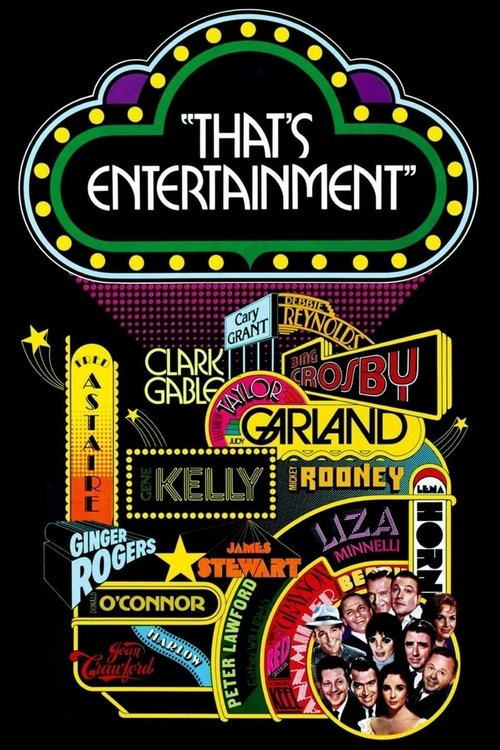
That's Entertainment!
1974
No user ratings available yet
Representation score: 1.7 out of 10
No Poster Available
Representation Score
Fair
2003
TV-GRuntime
174 minutes
Average Rating
No ratings yetNew Showbiz Analysis
The documentary excels as a historical survey, particularly in its recognition of Black musical legends. By featuring performers like Lena Horne and the Nicholas Brothers, it successfully disrupts a purely Anglo-centric view of the American songbook. However, the film remains a traditionalist retrospective. It prioritizes the preservation of an established cultural canon over a modern critique of the social hierarchies or gender roles present during the mid-20th century. Ultimately, while the film provides meaningful visibility to diverse talent within its historical context, its focus on the era's standard star system limits its ability to address broader social complexities.
Category Breakdown
The film emphasizes technical performance and historical songwriting. It does not explicitly highlight LGBTQ+ identities or stories, reflecting the assumption that everyone is straight or cisgender.
The documentary features prominent female icons such as Judy Garland and Dorothy Dandridge. However, the narrative adheres to the traditional star system, which often reinforced conventional gender roles in performance.
The documentary highlights significant contributions from Black artists like Lena Horne and the Nicholas Brothers. This inclusion provides a nuanced look at how Black excellence shaped the American musical landscape.
The film celebrates Western musical tradition and the American Standard. It acts as an educational preservation of a specific cultural epoch rather than critiquing the institutions of the time.
There is no discernible focus on disability representation. No characters with disabilities are used as narrative devices within the archival footage.
Present on Screen
Limited or Absent
Official Synopsis
Sparkling performances by Judy Garland, Lena Horne, Al Jolson, the teenage Dorothy Dandridge and the flash-dancing Nicholas Brothers light up this great documentary that originally aired on educational television. Using rare and never-before-seen footage, singer-pianist and musical historian Michael Feinstein hosts an informative look at the composers and lyricists who wrote America's standards from the 1890s through the mid-1950s.
1974
1985

2002
1993

1994
1997

2007
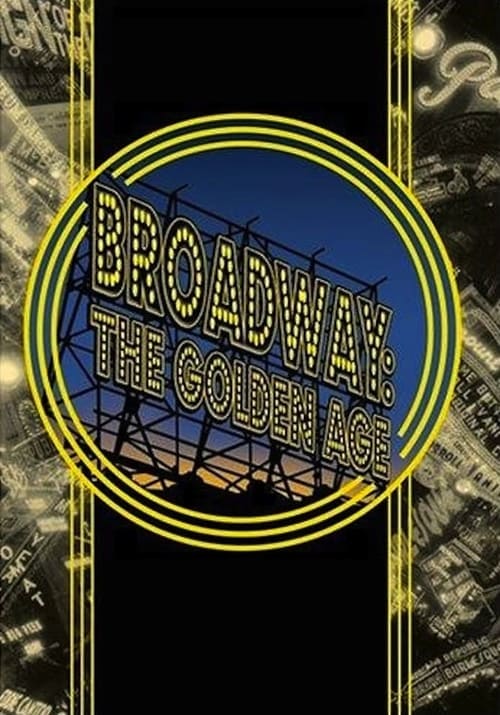
2003
No reviews yet. Be the first to share your thoughts on this movie!
Use the rating form above to leave a star rating and optional review.