Beloved
2011
No user ratings available yet
Representation score: 5.5 out of 10
Representation Score
Excellent
2011
NRDirector
Jean-Marc Vallée
Runtime
121 minutes
Average Rating
No ratings yetNew Showbiz Analysis
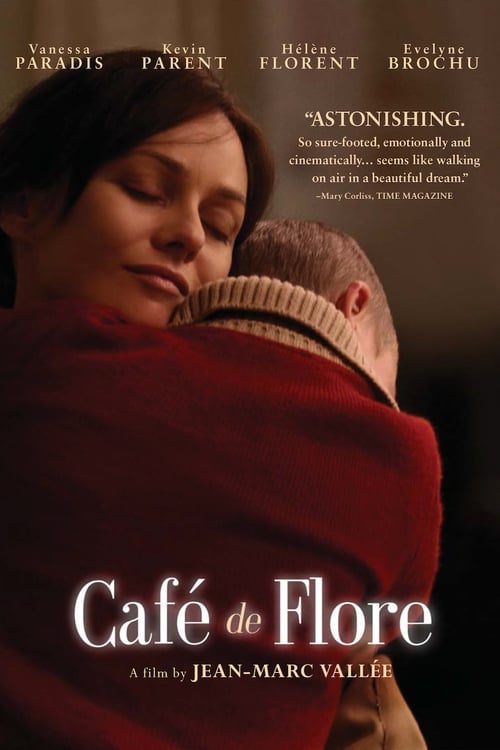
Café de Flore stands out as an intellectual character study that emphasizes female empowerment and the dismantling of social norms. Its postmodern structure allows for a nuanced exploration of identity and subjective truth. However, the film’s impact is somewhat limited by a lack of racial and ethnic diversity, focusing primarily on Eurocentric themes. While it offers a thoughtful depiction of disability, it ties this portrayal closely to themes of maternal struggle. Overall, the film presents a sophisticated examination of the fragmented self, trading simple moral clarity for a complex, though less diverse, portrayal of human experience.
Category Breakdown
The film includes characters like Alice who explore unconventional lifestyles, challenging traditional views on sexuality. Though it doesn't focus on explicit same-sex relationships, it presents a fluid sense of self.
Women play prominent roles in the film, showcasing their intellectual and creative pursuits. The movie challenges traditional gender roles by emphasizing the psychological complexity and professional aspirations of its female characters.
The cast remains relatively homogeneous, reflecting the specific Eurocentric textures of 1960s Paris and Montreal. The film does not actively seek to diversify the racial or ethnic landscape of its settings.
The film critiques consumer culture by highlighting the importance of personal truth and individual experience. It portrays the deconstruction of societal norms through the subjective experiences of its characters.
Laurent, a key figure in the 1960s storyline, provides an emotional anchor. His portrayal avoids inspirational clichés by showing his disability as part of a complex family dynamic centered around maternal sacrifice.
Present on Screen
Limited or Absent
Official Synopsis
Jacqueline is a young mother living in 1960s Paris with her disabled son Laurent. Abandoned by her husband, Jacqueline sacrifices everything to care for her son and vows to give Laurent a “normal” life full of happiness. Antoine, is a successful DJ in present day Montreal who seems to have it all: a thriving career, two beautiful daughters, partner Rose, with whom he is passionately in love. However, nothing is perfect and Antoine’s ex-wife Carole remains devastated by their recent separation.
2011
1970

2021

2009

2006

2015

2015
2008
No reviews yet. Be the first to share your thoughts on this movie!
Use the rating form above to leave a star rating and optional review.