
The Middle of the World
1974
No user ratings available yet
Representation score: 6.0 out of 10
Representation Score
Good
1983
Director
Alain Tanner
Runtime
109 minutes
Average Rating
No ratings yetNew Showbiz Analysis
Alain Tanner’s film presents a sophisticated critique of societal and economic structures through a postmodern lens. By moving beyond tokenistic representation, it delves into existential themes and rejects traditional Western stability. The film excels in its cultural commentary, using the protagonist's transient life to question capitalist utility and the sanctity of the nuclear family.
Category Breakdown
The film focuses on a melancholic romance between Paul and a woman in Lisbon. It doesn't explicitly depict non-binary or LGBTQ+ identities or same-sex relationships, sticking to traditional romantic narratives.
The narrative challenges traditional male dominance by highlighting emotional vulnerability and introspection. Female characters have substantial psychological depth, serving as key drivers of the protagonist's inner journey.
Lisbon's Mediterranean setting introduces cultural variety, but the cast remains predominantly white, reflecting European social dynamics and immigrant experiences.
The story critiques industrial and capitalist systems, showing how modern labor and commerce can be dehumanizing. Paul's life as a mechanic illustrates the impact of these structures on personal well-being.
The film does not depict physical or neurodivergent disabilities directly. Instead, it explores universal psychological themes such as isolation and loneliness, avoiding specific disability-focused narratives.
Present on Screen
Limited or Absent
Official Synopsis
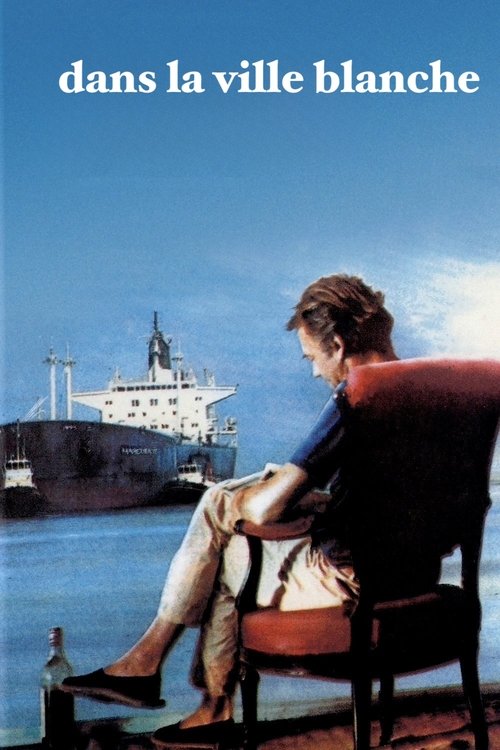
Fed up with the sea, Paul, a Swiss mechanic working in the noisy bowels of a merchant ship, lands in Lisbon.
1974
1972

2013

1984

2002

1953

1995

1966
No reviews yet. Be the first to share your thoughts on this movie!
Use the rating form above to leave a star rating and optional review.