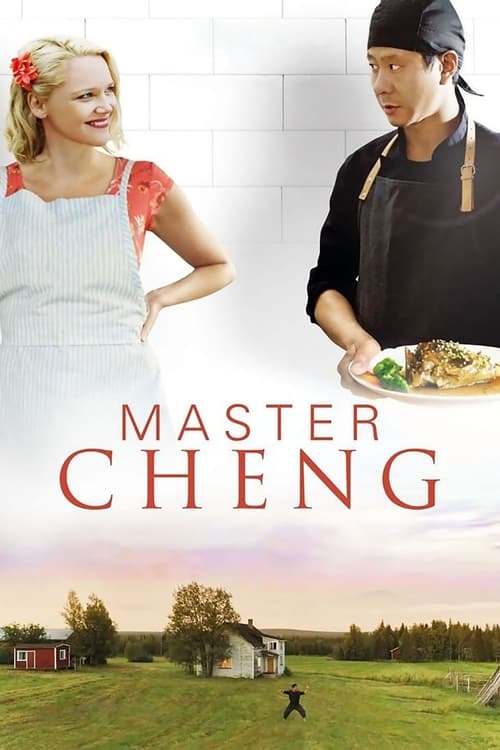
Master Cheng
2019
No user ratings available yet
Diversity score: 6.7 out of 10

2006
Not RatedDirector
Colin Goh, Joyceln Woo Yen Yen
Runtime
105 minutes
Average Rating
No ratings yetSynopsis
Disappointed by his failed dreams, Loh Poh Huat visits his frustrations on his family. So when he wins the lottery, everyone believes the money will deliver them from their struggles. However, Loh dies abruptly and his elaborate and surreal Taoist funeral pitches the family into a battle where the stakes are the very meaning of life itself. Singapore Dreaming is a poignant yet darkly humorous story which follows the lives of six individuals as they navigate the rapidly changing conditions experienced in today’s modern South-East Asian cities.
Overall Score
Fair
Category Breakdown
LGBTQ+ Representation
The film centers on heteronormative pressures and the societal mandates of marriage and lineage. There is no significant evidence of queer identities driving the plot, focusing instead on traditional familial structures.
Gender Representation
The narrative deconstructs domestic pressures by exploring the tension between professional ambition and traditional roles. It highlights how gendered expectations contribute to the psychological burdens of the characters.
Racial & Ethnic Diversity
The film provides a complex portrait of the Chinese-Singaporean experience through local dialects and cultural nuances. It avoids homogenized Asian identities, offering a rich, non-Anglo-centric cinematic perspective.
Religious & Cultural Diversity
A surreal Taoist funeral explores morality outside of Westernized religious frameworks. The story critiques hyper-capitalism and the meritocratic pressures inherent in a rapidly developing nation.
Disability Representation
There is no explicit evidence of characters with visible or invisible disabilities being central to the narrative. The focus remains on socioeconomic and psychological stressors.
Strengths
Areas for Improvement
AI Analysis
Singapore Dreaming offers a sophisticated critique of modern societal structures and the pursuit of upward mobility. It succeeds by moving away from homogenized global narratives to focus on specific, intersectional identities within the Southeast Asian landscape. The film's strength lies in its nuanced, non-Western approach to storytelling. By utilizing local dialects and traditional institutions, it creates a deeply localized experience that challenges the moral compromises of hyper-capitalism. However, the narrative remains limited by its focus on traditional familial structures. The absence of LGBTQ+ and disability representation results in a narrower scope of human experience compared to its cultural depth.
2019
2010
2009
2017

2024

2000

2001
2020

2018
2010

2018

1999
No reviews yet. Be the first to share your thoughts on this movie!
Use the rating form above to leave a star rating and optional review.