Sometimes in April
2005
No user ratings available yet
Representation score: 6.5 out of 10
Representation Score
Fair
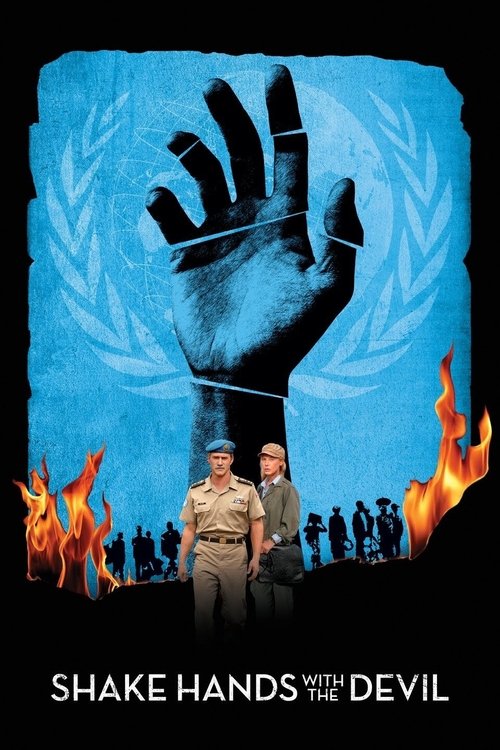
2007
RDirector
Roger Spottiswoode
Runtime
112 minutes
Average Rating
No ratings yetNew Showbiz Analysis
Shake Hands with the Devil is a significant work of historical realism that challenges traditional narratives of Western heroism. It succeeds by refusing to romanticize international intervention, instead highlighting the systemic failures of global institutions. The film's primary strength lies in its rigorous engagement with post-colonial dynamics and the devastating impact of colonial legacies on ethnic identity. By centering the African experience, it avoids common pitfalls of historical dramas. However, the film remains limited by its narrow focus on masculine leadership and its lack of representation for LGBTQ+ identities. The narrative architecture prioritizes geopolitical and military perspectives over a broader spectrum of social identities.
Category Breakdown
The film does not include any identifiable LGBTQ+ characters or narratives. The story focuses exclusively on the geopolitical and humanitarian crisis of the Rwandan Genocide.
The narrative is driven by male perspectives, particularly through military and journalistic roles. While women play crucial roles as victims, they often lack primary ability to act in the plot.
The film excels by using a predominantly Black cast to represent the Rwandan population. It avoids whitewashing and provides a sophisticated critique of how colonial-era ethnic classifications were weaponized.
The film offers a profound critique of Western institutionalism and global apathy. It challenges Western hegemony by portraying the United Nations as paralyzed by bureaucracy and moral indifference.
Physical and psychological traumas are depicted as consequences of conflict rather than intentional character studies. The film touches on PTSD, though it treats these conditions as symptoms of trauma rather than individual ability to act.
Present on Screen
Limited or Absent
Official Synopsis
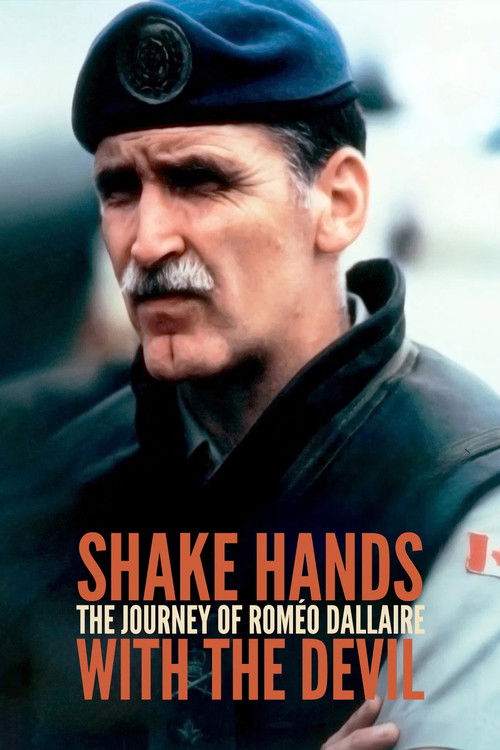
In 1993, Canadian Lieutenant General Roméo Dallaire was sent by the United Nations to Rwanda as commander of the United Nations Assistance Mission for Rwanda (UNAMIR). Its mission, to ensure the ceasefire, is underfunded, excessively bureaucratized and made up of military units which come from dozens of countries and which each have a very different program... These are Lt Gen Dallaire's efforts to stop the madness of the Rwandan Genocide, despite the complete indifference of his superiors.
2005
2009
2017
1997
2005

2006

2008

2010
No reviews yet. Be the first to share your thoughts on this movie!
Use the rating form above to leave a star rating and optional review.