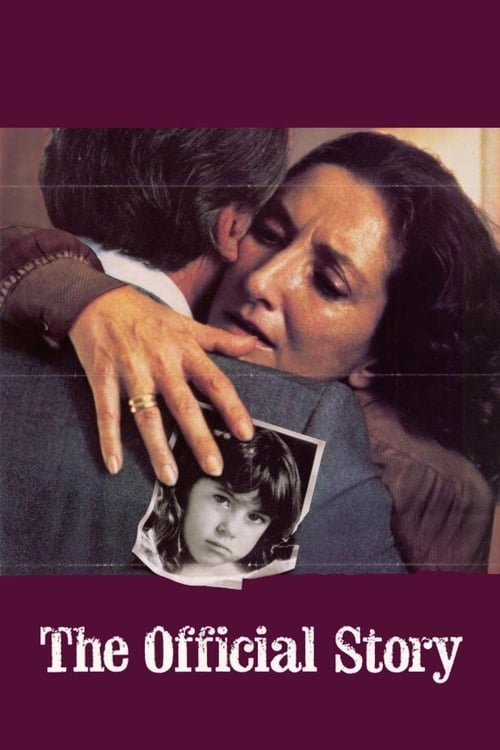
The Official Story
1985
No user ratings available yet
Diversity score: 6.3 out of 10
1996
RDirector
Terry George
Runtime
112 minutes
Average Rating
No ratings yetSynopsis
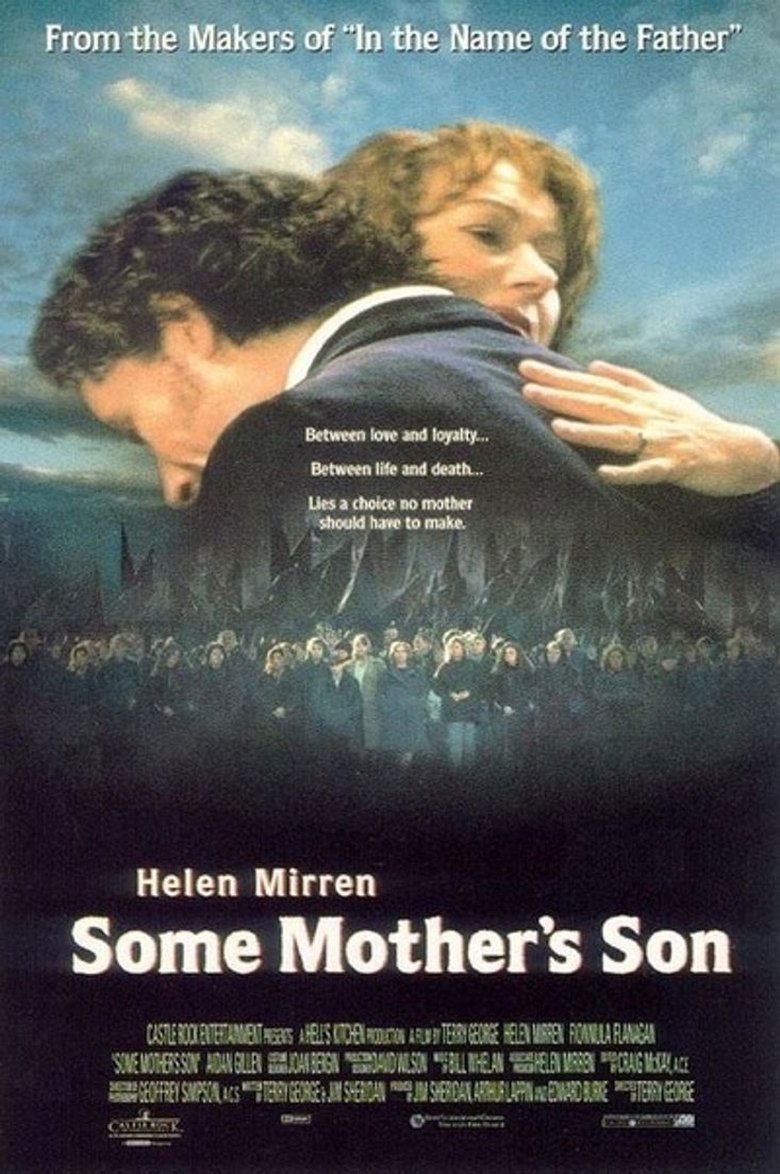
Based on the true story of the 1981 hunger strike in a British prison, in which IRA prisoner Bobby Sands led a protest against the treatment of IRA prisoners as criminals rather than as prisoners of war. The film focuses on the mothers of two of the strikers, and their struggle to save the lives of their sons.
Overall Score
Fair
Category Breakdown
LGBTQ+ Representation
The film lacks any discernible presence of LGBTQ+ characters. The narrative remains strictly focused on maternal grief and the domestic consequences of wartime conscription.
Gender Representation
The story disrupts traditional wartime tropes by centering female agency and maternal experience. It prioritizes the emotional labor of women over the conventional focus on masculine military heroism.
Racial & Ethnic Diversity
The cast is ethnically homogeneous, primarily Irish and British. However, the film explores ethnic identity through the friction between Irish national identity and British imperial structures.
Religious & Cultural Diversity
The film offers a sophisticated critique of Western imperialist institutions. It frames the struggle for Irish autonomy as a direct challenge to established Western political orders.
Disability Representation
There are no characters with visible or invisible disabilities featured as central narrative elements. Disability is not utilized as a primary thematic device.
Strengths
Areas for Improvement
AI Analysis
Some Mother's Son succeeds by shifting the lens of a geopolitical conflict away from combatants and toward the domestic sphere. By centering the mothers of hunger strikers, the film subverts traditional masculine military narratives and highlights the human cost of systemic political decisions. The film's strength lies in its post-colonial perspective, examining the tension between Irish identity and British imperial authority. This provides a nuanced look at colonial subjecthood and the disruptive nature of empire on community structures. However, the film lacks intersectional breadth. It offers no representation for LGBTQ+ identities or characters with disabilities, and the ethnic cast remains largely homogeneous within the specific historical context of the conflict.
1985
2001
2005

2006

2022
2015
2008
2003

1980
2010
1987

2014
No reviews yet. Be the first to share your thoughts on this movie!
Use the rating form above to leave a star rating and optional review.