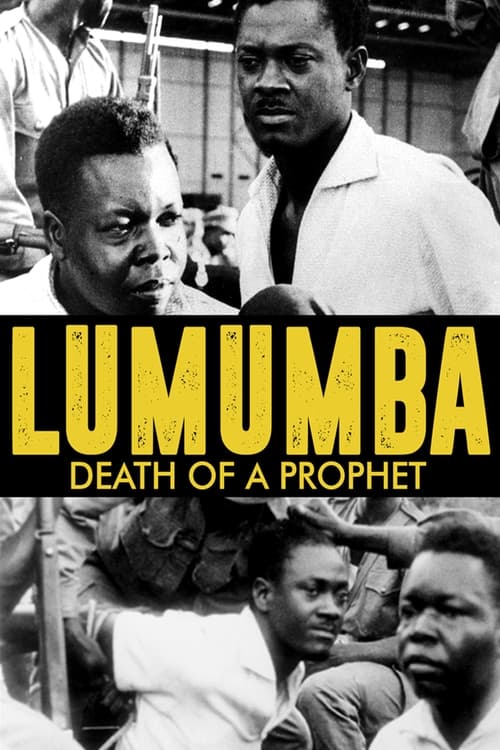
Lumumba: Death of a Prophet
1991
No user ratings available yet
Representation score: 4.2 out of 10
Representation Score
Limited
2000
Not RatedDirector
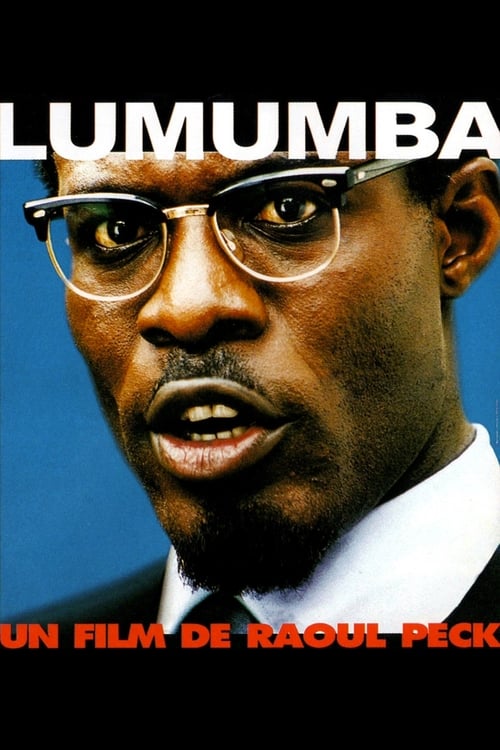
Raoul Peck
Runtime
115 minutes
Average Rating
No ratings yetNew Showbiz Analysis
Raoul Peck’s film is a powerful exercise in decolonial cinema that challenges Eurocentric historical clichés. By centering the Congolese struggle for sovereignty, it successfully reclaims a narrative often distorted by Western media. The film excels in its examination of systemic power dynamics and international political interests. It provides a sophisticated critique of how global economic hegemony undermines sovereign identities. However, the film's intense focus on mid-century geopolitics and masculine-coded political struggles results in limited engagement with gender and LGBTQ+ issues.
Category Breakdown
The film focuses on the macro-political and geopolitical landscape of the mid-20th century. There are no identifiable LGBTQ+ characters or narratives within this historical scope.
The narrative centers on male-dominated political spheres and military hierarchies. While it does not promote traditional hierarchies, it lacks significant roles for female characters.
The film centers on the ability to act of Black Africans by shifting the focus to the Congolese experience. It uses archival footage to reclaim a history often sidelined by Western media.
The film critiques Western hegemony through a post-colonial lens. It portrays Western institutions and capitalism as systemic forces of instability and violence in the Congo.
There is no specific focus on visible or invisible disabilities within the documentary structure.
Present on Screen
Limited or Absent
Official Synopsis
The true story of the rise to power and brutal assassination of the formerly vilified and later redeemed leader of the independent Congo, Patrice Lumumba. Using newly discovered historical evidence, Haitian-born and later Congo-raised writer and director Raoul Peck renders an emotional and tautly woven account of the mail clerk and beer salesman with a flair for oratory and an uncompromising belief in the capacity of his homeland to build a prosperous nation independent of its former Belgian overlords. Lumumba emerges here as the heroic sacrificial lamb dubiously portrayed by the international media and led to slaughter by commercial and political interests in Belgium, the United States, the international community, and Lumumba's own administration; a true story of political intrigue and murder where political entities, captains of commerce, and the military dovetail in their quest for economic and political hegemony.
1991
1972

2012
1971

2013

2010
2014

2010
No reviews yet. Be the first to share your thoughts on this movie!
Use the rating form above to leave a star rating and optional review.