
The Sky Trembles and the Earth Is Afraid and the Two Eyes Are Not Brothers
2015
No user ratings available yet
Representation score: 2.4 out of 10
Representation Score
Good
2014
Director
Matthew Barney
Runtime
371 minutes
Average Rating
No ratings yetNew Showbiz Analysis
River of Fundament is a postmodern cinematic installation that prioritizes sculptural performance over traditional character-driven narratives. It effectively dismantles Western capitalist structures and traditional social hierarchies by emphasizing non-Western mythological frameworks and biological fluidity. However, the film's avant-garde and abstract nature limits its ability to provide specific, granular representation. Since the work focuses on metamorphosis and geological time, it lacks the interpersonal depth needed for high scores in racial and LGBTQ+ categories. Ultimately, the film serves as a critique of permanence, using ritual and the body to challenge conventional identities and historical perspectives.
Category Breakdown
The film explores the body as a site of transformation rather than adhering to traditional romantic relationships. It challenges the idea that everyone is straight or cisgender by focusing on themes of change and spiritual dissolution.
The film de-emphasizes stable protagonists and instead highlights sculptural forms. Gender is portrayed as a fluid state influenced by biological processes rather than societal roles.
The story centers around ancient Egyptian mythology and non-Western spiritual traditions. While it questions Western dominance, the abstract performance style lacks detailed character development.
The film contrasts Western institutions with ancient spiritual practices. It emphasizes ritual and moral relativism over a single religious or Western morality.
The film focuses on geological and biological concepts. The body is treated as a sculptural element of the earth rather than a person with specific disabilities.
Present on Screen
Limited or Absent
Official Synopsis
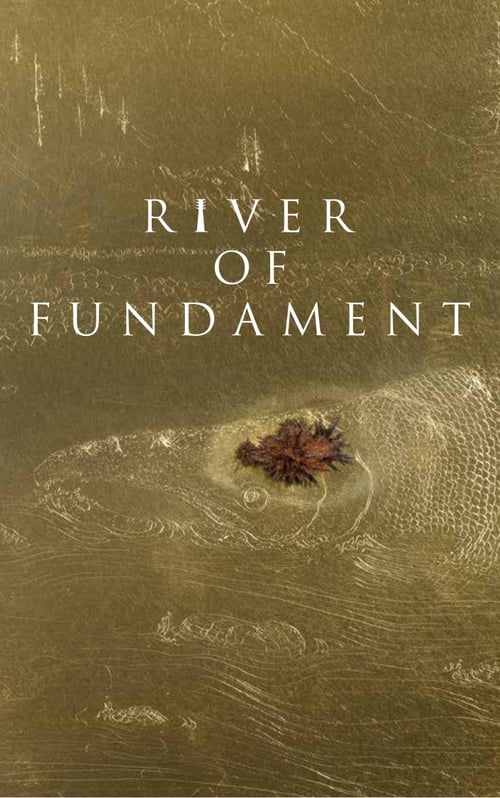
Visionary artist Matthew Barney returns to cinema with this 3-part epic, a radical reinvention of Norman Mailer’s novel Ancient Evenings. In collaboration with composer Jonathan Bepler, Barney combines traditional modes of narrative cinema with filmed elements of performance, sculpture, and opera, reconstructing Mailer’s hypersexual story of Egyptian gods and the seven stages of reincarnation, alongside the rise and fall of the American car industry.
2015

1969
2002

2002
1967
2008

2014

2010
No reviews yet. Be the first to share your thoughts on this movie!
Use the rating form above to leave a star rating and optional review.