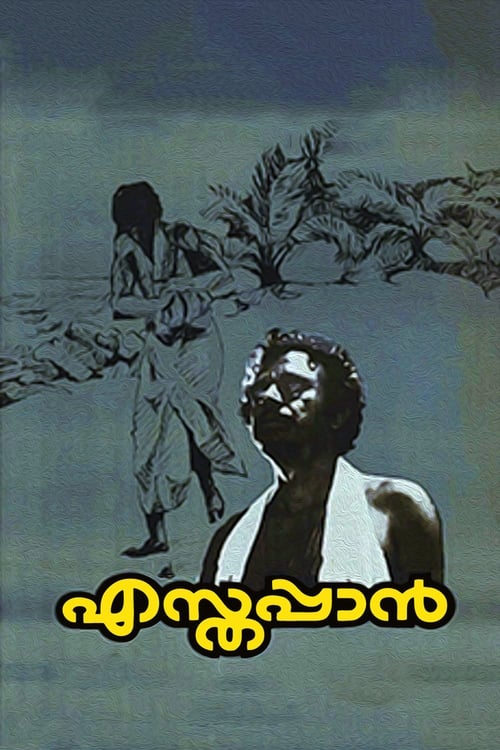
Esthappan
1980
No user ratings available yet
Representation score: 5.8 out of 10

Representation Score
Good
2000
Director
M. F. Husain
Runtime
122 minutes
Average Rating
No ratings yetNew Showbiz Analysis
Gaja Gamini functions as a visual treatise on womanhood rather than a conventional narrative. It succeeds in deconstructing patriarchal structures by centering the female archetype and removing dominant male figures from the cinematic experience. The film's strength lies in its cultural assertion, utilizing classical Indian dance and motifs to challenge Western-centric visual languages. However, its experimental, non-linear structure results in a lack of representation for LGBTQ+ identities and disability. The focus remains strictly on an idealized, archetypal female form.
Category Breakdown
The film does not explicitly depict LGBTQ+ identities or include non-straight relationships. It avoids typical romance clichés but does not engage with queer theory or specific LGBTQ+ stories.
The work subverts traditional hierarchies by centering the female figure and her ability to act. By focusing on movement and grace, it replaces the voyeuristic male gaze with an artistic meditation on female presence.
The film is deeply rooted in Indian aesthetic traditions and asserts a strong post-colonial identity. It challenges Western-centric cinematic norms by prioritizing indigenous art forms and South Asian beauty standards.
The narrative implicitly critiques restrictive religious and social institutions by framing art as a space of liberation. It values subjective beauty over dogmatic truths, reflecting the creator's struggle against orthodoxy.
There is no discernible focus on disability, neurodivergence, or physical impairment. The preoccupation with idealized movement and classical aesthetics leaves no room for such representation.
Present on Screen
Limited or Absent
Official Synopsis
A mysterious and beautiful woman, in her various incarnations, inspires artists throughout the ages.
1980
1948

1971

2015

1991

1960

1983

2003
No reviews yet. Be the first to share your thoughts on this movie!
Use the rating form above to leave a star rating and optional review.