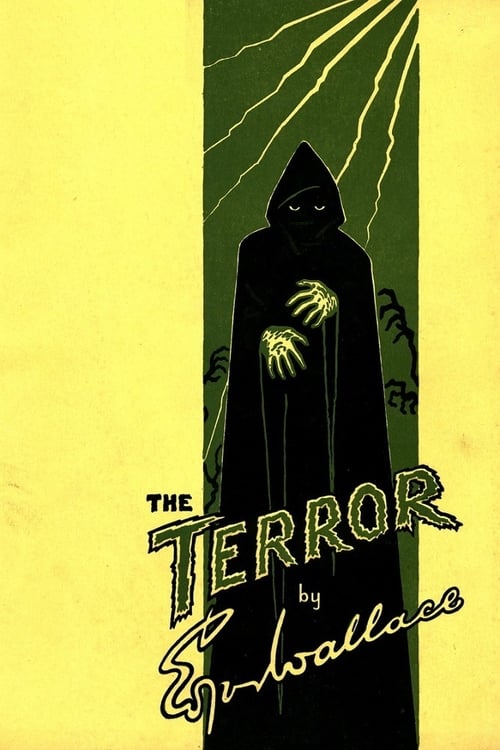
The Terror
1928
No user ratings available yet
Representation score: 1.1 out of 10
Representation Score
Minimal
1928
NRDirector
Paul Leni
Runtime
89 minutes
Average Rating
No ratings yetNew Showbiz Analysis
Paul Leni’s work is a masterclass in German Expressionism, using shadow and distorted environments to create suspense. However, the film functions as a period-specific genre piece rather than a tool for social commentary. The narrative follows established mystery clichés of the silent era, focusing on a theatrical murder mystery. It prioritizes atmosphere and professional continuity over the inclusion of diverse identities or the disruption of systemic hierarchies. Ultimately, the film serves as a historical artifact of early horror. It reinforces the demographic and social standards of the late 1920s rather than challenging them.
Category Breakdown
The film does not include any representation of LGBTQ+ identities or non-straight relationships. The mystery revolves around a theatrical troupe, sticking to traditional structures centered on straight relationships.
Women play visible roles through the theatrical setting, but they have little control over the plot and often fall into traditional roles of victimhood or romantic interest.
The production likely reflects the homogeneous, Eurocentric casting norms of 1928. There is no indication of a non-white majority cast or actors playing roles outside their traditional backgrounds.
The narrative centers on professional continuity and the reopening of a commercial theater. It lacks critiques of Western institutions or deconstructions of traditional social structures.
No characters with visible or invisible disabilities are portrayed with significant control over their stories. There is no documented evidence of meaningful representation for disabled individuals.
Present on Screen
Limited or Absent
Official Synopsis
A producer decides to reopen a theater, that had been closed five years previously when one of the actors was murdered during a performance, by staging a production of the same play with the remaining members of the original cast.
1928
1934
1985

1933
1942
1940
1978
1939
No reviews yet. Be the first to share your thoughts on this movie!
Use the rating form above to leave a star rating and optional review.