
Day of the Fight
1951
No user ratings available yet
Diversity score: 1.7 out of 10

1953
NRDirector
Stanley Kubrick
Runtime
29 minutes
Average Rating
No ratings yetSynopsis
Stanley Kubrick’s first color film, commissioned by the Seafarers International Union to promote the benefits of union membership. Shot inside the union’s Atlantic and Gulf Coast District facilities, it features scenes of ships, machinery, cafeteria life, and meetings, highlighting the daily routines and camaraderie of seafarers. Thought lost for decades, the film was rediscovered in 1973 and preserved by the Library of Congress.
Overall Score
Limited
Category Breakdown
LGBTQ+ Representation
The film lacks evidence of LGBTQ+ characters or non-heteronormative identities. It focuses on mid-century maritime camaraderie, a setting that traditionally adheres to strict heteronormative social structures.
Gender Representation
The narrative emphasizes traditional masculine environments through ship machinery and maritime labor. The workforce appears predominantly male, reinforcing mid-century gender hierarchies and labor norms.
Racial & Ethnic Diversity
The film likely reflects the demographic homogeneity typical of 1953 Western industrial institutions. There is no specific evidence of intersectional or non-white representation within the maritime workforce.
Religious & Cultural Diversity
The film provides a nuanced view of institutional power by highlighting the benefits of union membership. It positions the collective worker as a central figure against individualistic corporate structures.
Disability Representation
There is no information regarding the depiction of physical or neurodivergent identities. The focus remains on industrial machinery and maritime routines rather than disability themes.
Strengths
Areas for Improvement
AI Analysis
The Seafarers serves as a historical window into mid-century industrial life. While it captures the essence of organized labor and collective agency, it remains deeply rooted in the social constraints of 1953. The film excels at documenting the institutional power of unions, yet it lacks intersectional depth. The workforce depicted reflects the demographic homogeneity and traditional gender hierarchies of the era. Ultimately, the work functions as a pragmatic industrial document rather than a tool for social disruption, mirroring the era's standard maritime and labor structures.
1951
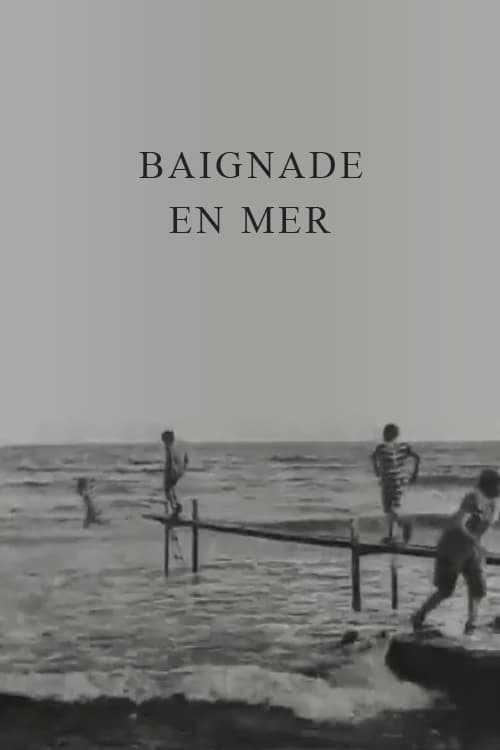
1895
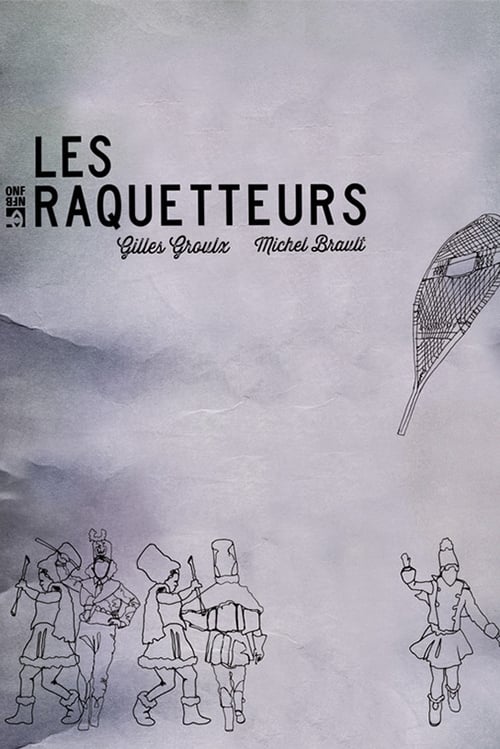
1958
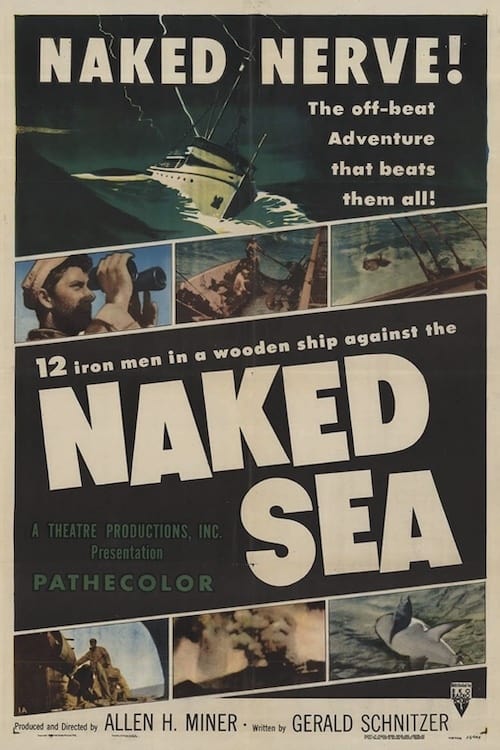
1955
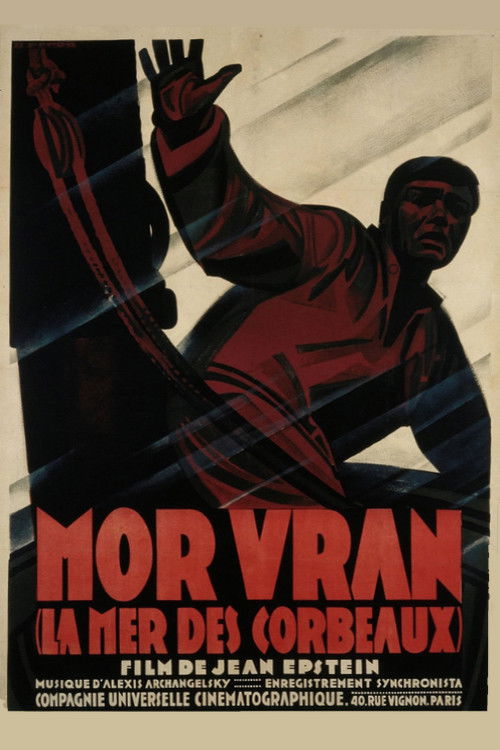
1930

1963
1897
1953
1896
1929
1951

1931
No reviews yet. Be the first to share your thoughts on this movie!
Use the rating form above to leave a star rating and optional review.