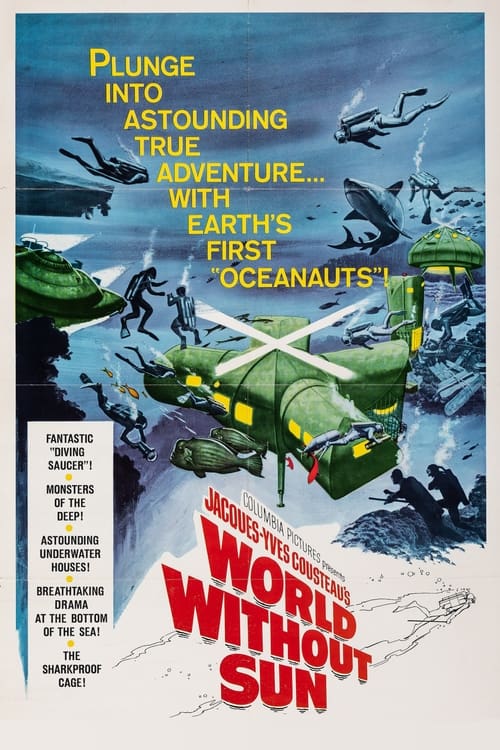
World Without Sun
1964
No user ratings available yet
Representation score: 0.0 out of 10
Representation Score
Minimal
1953
ApprovedDirector
Irwin Allen
Runtime
62 minutes
Average Rating
No ratings yetNew Showbiz Analysis
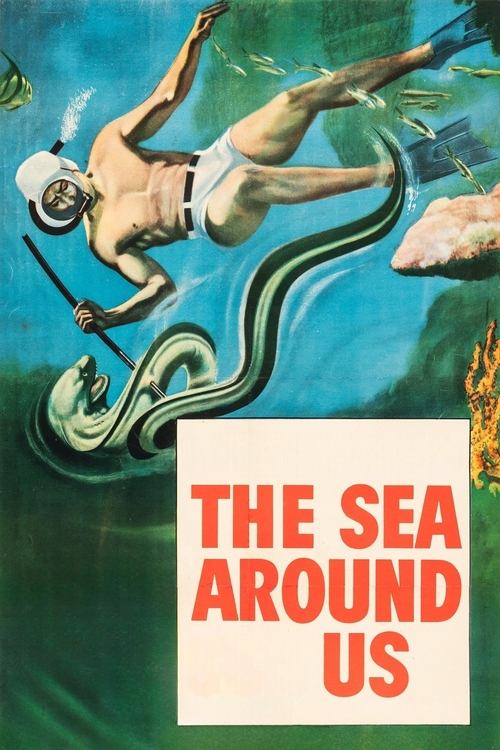
The Sea Around Us is a foundational natural history documentary that prioritizes scientific education over social commentary. Since the film focuses on marine biology, microscopic life, and geological processes, it lacks the human-centric elements necessary for characters who reflect more than one aspect of diversity. While the film is neutral regarding social identity, it promotes an ecological perspective of interconnectedness rather than human dominion. The absence of human characters means the film does not engage with gender, race, or sexual orientation.
Category Breakdown
Since the film doesn't feature any human characters, there is no depiction of gender identity or sexual orientation.
The film centers on biological and geological processes, so there are no human characters to explore traditional gender roles or hierarchies.
The film focuses on the global ocean environment and does not include human characters, making it impossible to analyze racial or ethnic representation.
The film emphasizes a secular, scientific perspective, highlighting the coexistence of species within an integrated ecological system.
There are no human subjects in the film, so there is no representation of disability.
Present on Screen
Limited or Absent
Official Synopsis
Irwin Allen explores the mysteries of the deep blue sea in this Technicolor documentary. Based on Rachel L. Carson's famous study, this Oscar winning project investigates everything under the sea, from sharks, whales and octopuses to microscopical creatures and their coexistence in this vast underwater world.
1964
2013
1994
2010
1995
2023
2013

1956
No reviews yet. Be the first to share your thoughts on this movie!
Use the rating form above to leave a star rating and optional review.