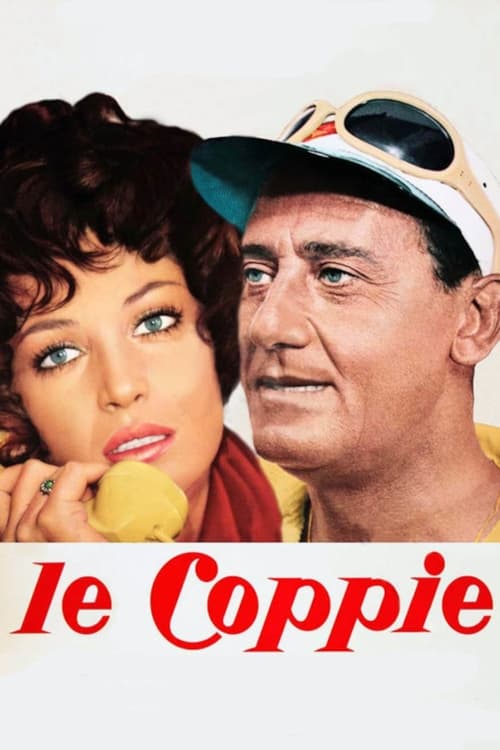
The Couples
1970
No user ratings available yet
Representation score: 6.8 out of 10
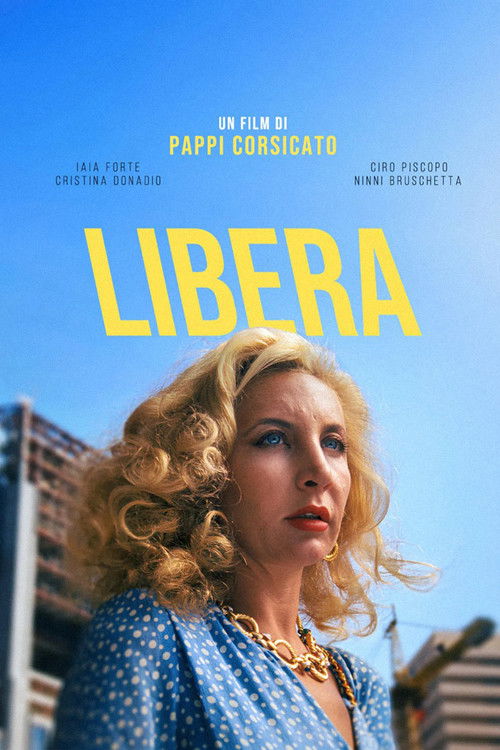
Representation Score
Fair
1993
Director
Pappi Corsicato
Runtime
83 minutes
Average Rating
No ratings yetNew Showbiz Analysis
Libera is a sophisticated triptych that uses the urban landscape of Naples to explore shifting identities. It excels in its nuanced, non-comedic treatment of queer identity and the subversion of gendered power dynamics. The film challenges straight-centered and patriarchal structures through its episodic character studies. However, the film remains culturally localized, offering very little in the way of racial or ethnic diversity. This narrow focus limits its multi-layered scope despite its progressive handling of gender and sexuality.
Category Breakdown
The film is a significant LGBTQ text that challenges the traditional nuclear family model. It explores non-binary identities and same-sex attractions through characters who play a significant role in driving the story.
The film centers on female perspectives and challenges traditional gender hierarchies. It explores economic autonomy for women and deconstructs rigid, patriarchal expectations of masculinity.
The cast is predominantly white and localized to Naples. The film lacks engagement with racial the way different parts of someone's identity overlap or diverse ethnic casting.
The film critiques rigid social institutions by prioritizing personal truth over traditional norms. It uses moral relativism to explore characters living outside conventional expectations.
There is no evidence of visible or invisible disabilities serving as central character traits or plot devices.
Present on Screen
Limited or Absent
Official Synopsis
Three episodes. In the first, Aurora lives in a luxurious apartment. Among some workers called to her house, she recognizes an old lover, who returns to courting her, but then empties her house. In the second, a boy released from reform school discovers that his mother is actually his father: a transvestite. In the third, a newsagent, suspecting her husband, who constantly pretends to be ill, is cheating on her, places a video camera in her room. She records his sexual encounters on a videotape that she sells at newsstands. In his directorial debut, Corsicato demonstrates a sharp and poetic talent (he was Almodovar's assistant) in creating three portraits of women that are also portraits of his city, Naples.
1970
1972

1995
1963
1973

1966
1982
1977
No reviews yet. Be the first to share your thoughts on this movie!
Use the rating form above to leave a star rating and optional review.