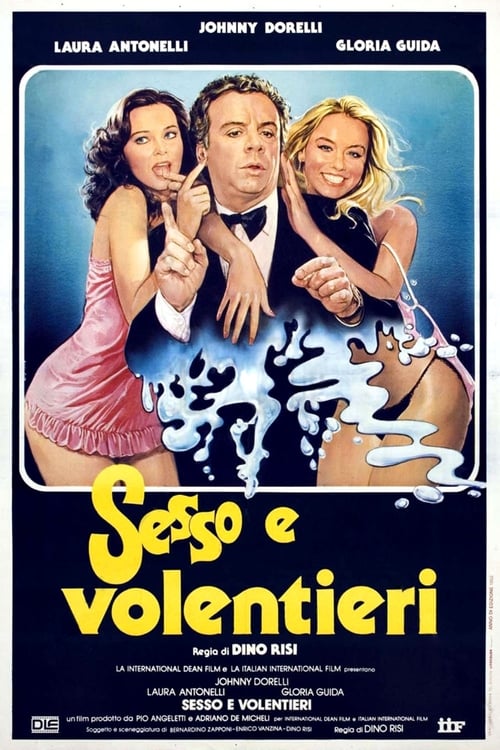
Sesso e volentieri
1982
No user ratings available yet
Representation score: 2.4 out of 10

Representation Score
Fair
1977
Director
Giovanni Narzisi
Runtime
90 minutes
Average Rating
No ratings yetNew Showbiz Analysis
Giovanni Narzisi’s film serves as a transgressive period piece that challenges bourgeois social norms. It focuses on the social underbelly, particularly migration and sex work. While the film avoids modern multi-layered frameworks, it successfully critiques aristocratic stability and traditional morality. It uses a commercialized genre lens to explore survival and situational ethics. Ultimately, the work emphasizes sexual availability and class disparity over identity-based representation or systemic leadership.
Category Breakdown
The film examines unconventional sexual relationships and challenges traditional domestic life. However, it doesn't clearly depict LGBTQ+ characters or give non-binary identities significant roles.
Women are shown with sexual ability to act within power dynamics, such as the adult film star. However, the film often adheres to the male perspective typical of the era.
The film critiques socioeconomic barriers through the experience of an Italian immigrant in Germany. Character development remains limited, often relying on working-class stereotypes.
The narrative questions traditional morality by presenting a cynical view of marriage and social class. It favors a morally relative perspective over strict institutional standards.
There are no characters with visible or invisible disabilities portrayed as central to the narrative.
Present on Screen
Limited or Absent
Official Synopsis
A film in 5 segments. The first is about a trafficker who takes a German tourist to an illegal sex market in a working-class neighborhood. The second involves an elderly man courting a young adult film star. The third, a thief seduces a man's wife. The fourth involves an Italian immigrant in Germany who is fired and subsequently offered work as a porn actor. Finally the last segment involves a baron who convinces his wife into a swinging.
1982
1962

1976
1973
1976
1966

1978
1973
No reviews yet. Be the first to share your thoughts on this movie!
Use the rating form above to leave a star rating and optional review.