
Children Who Chase Lost Voices
2011
No user ratings available yet
Representation score: 4.7 out of 10
Representation Score
Good
2022
PGDirector
Makoto Shinkai
Runtime
122 minutes
Average Rating
No ratings yetNew Showbiz Analysis
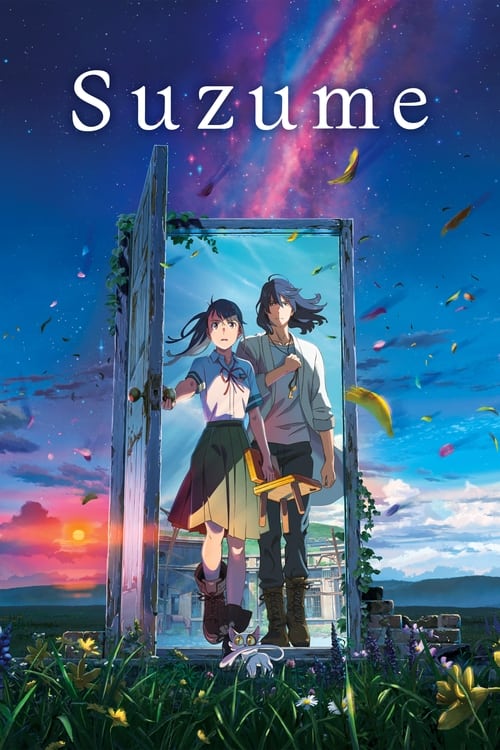
Makoto Shinkai’s work excels at challenging traditional gender power dynamics, placing a highly competent female protagonist at the center of a high-stakes supernatural journey. Suzume’s ability to act and emotional intelligence drive the narrative forward, moving beyond simple adventure formulas. However, the film remains within traditional boundaries regarding social identity. The focus is strictly localized to a Japanese context, resulting in a homogeneous cast and a romantic core that assumes everyone is straight. It lacks LGBTQ+ representation or multicultural diversity. Ultimately, the film's strength lies in its empathetic handling of communal trauma. It uses fantasy to address the psychological weight of natural disasters, offering a profound meditation on memory and recovery.
Category Breakdown
The story follows a romantic structure between Suzume and Souta that assumes both are straight. There is no depiction of queer identities or hints of LGBTQ+ themes within the main character arcs.
Suzume serves as the primary driver of the plot rather than a passive observer. The film deconstructs traditional protector roles, establishing a partnership where both characters have real influence and control over their actions.
The cast is culturally homogeneous, reflecting the film's localized focus on Japanese history. It avoids stereotypes by providing nuanced characterizations rooted in specific regional identities.
The narrative explores spiritual responsibility and historical trauma rather than rigid dogmatism. It prioritizes the processing of communal grief over traditional celebratory national clichés.
While no physical disabilities are shown, the supernatural elements serve as metaphors for psychological trauma. This offers a sophisticated representation of the invisible struggles faced by survivors.
Present on Screen
Limited or Absent
Official Synopsis
Suzume, 17, lost her mother as a little girl. On her way to school, she meets a mysterious young man. But her curiosity unleashes a calamity that endangers the entire population of Japan, and so Suzume embarks on a journey to set things right.
2011

2019
2019

2007
2021
2023

2021
2024
No reviews yet. Be the first to share your thoughts on this movie!
Use the rating form above to leave a star rating and optional review.