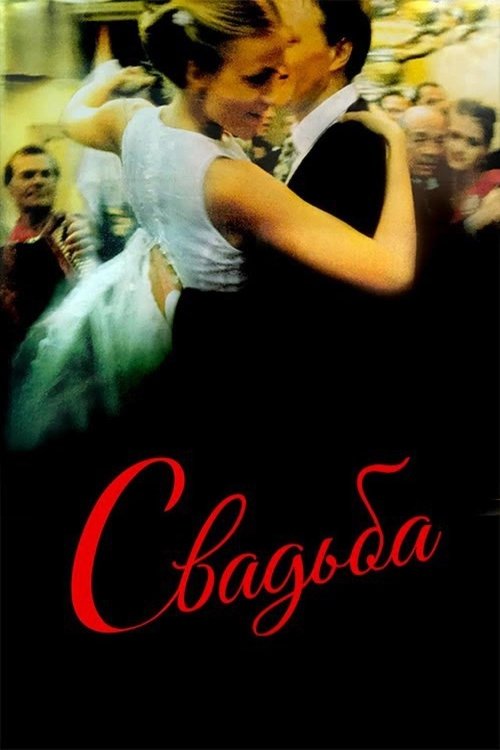
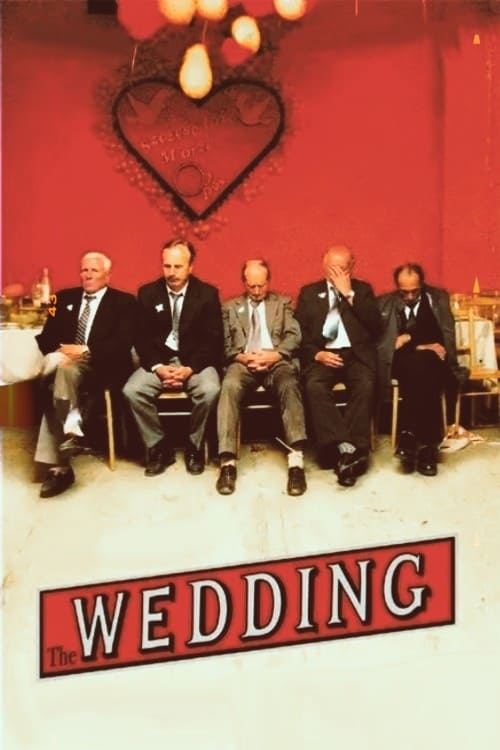
The Wedding
2000
No user ratings available yet
Representation score: 4.0 out of 10
Representation Score
Minimal
2004
Director
Wojtek Smarzowski
Runtime
109 minutes
Average Rating
No ratings yetNew Showbiz Analysis
The Wedding is a visceral, naturalist deconstruction of social structures that prioritizes systemic critique over demographic variety. It replaces romantic idealism with a gritty exploration of moral fragmentation and socioeconomic stratification within a specific Polish setting. While the film lacks representation of LGBTQ+ identities, racial diversity, or disabilities, it offers a sophisticated critique of Western communal values. It effectively dismantles the myth of idyllic rural life by highlighting the breakdown of authority and traditional social cohesion. Ultimately, the work functions as a study of human chaos. It trades traditional diversity metrics for a profound, postmodern look at how primal impulses and situational survival supersede religious or civic morality.
Category Breakdown
The film focuses exclusively on a homogeneous rural community. There are no non-straight identities or narratives addressing the assumption that everyone is straight or cisgender.
The narrative depicts rigid, aggressive patriarchal hierarchies. Women are often positioned within transactional social arrangements rather than being given significant roles in driving the story.
The film presents a highly homogenous ethnic landscape. It is deeply rooted in a localized Polish identity with no instances of racial blending.
The film excels in deconstructing traditional communal institutions. It portrays the family unit as a site of deception and transactionalism rather than stability.
There is no discernible representation of physical or neurodivergent disabilities within the film's thematic structure.
Present on Screen
Limited or Absent
Official Synopsis
Wojnar is a wealthy man who is marrying off his beautiful daughter Kasia, in a small town in present day Poland. Wojnar had to bribe the groom with a fancy car, since Kasia was pregnant by another man. At the end of the ceremony, the car is delivered by a gangster, who immediately demands the promised money and the deed to land from Kasia's grandfather. Unfortunately grandpa is unwilling to let go of the land. Meanwhile each of the workers at the reception demand to be paid, so Wojnar, who is very reluctant to part with his money, tries to haggle and bribe his way out of all the situations.
2000

2000

2012

1978
1998
1977
1999

2007
No reviews yet. Be the first to share your thoughts on this movie!
Use the rating form above to leave a star rating and optional review.